Once a symbol of Uzbekistan’s modernization, the Tashkent Tractor Factory is reconceived as a preservation-led masterplan that reconnects industrial heritage with a new generation of production and daily life.
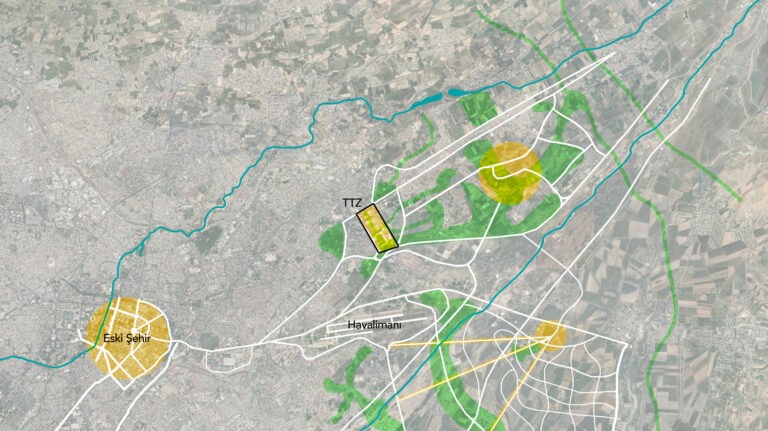
Industrial Heritage and Transformation
The Tashkent Tractor Factory is a significant part of Uzbekistan’s history of modernization. This process, which began during the Soviet era, continued to serve as a key pillar of the country’s production structure even after independence, underscoring the factory’s historical importance. Uzbekistan is essentially planned as an agricultural country, and the tractor served as an important tool of modernization in this context; at a time when the country was isolated from the international economy, the factory contributed significantly to national modernization as an industry capable of sustaining itself. At the same time, it provided employment to a substantial number of people in a major city, directly shaping the urbanization around it.
A value turned into a void
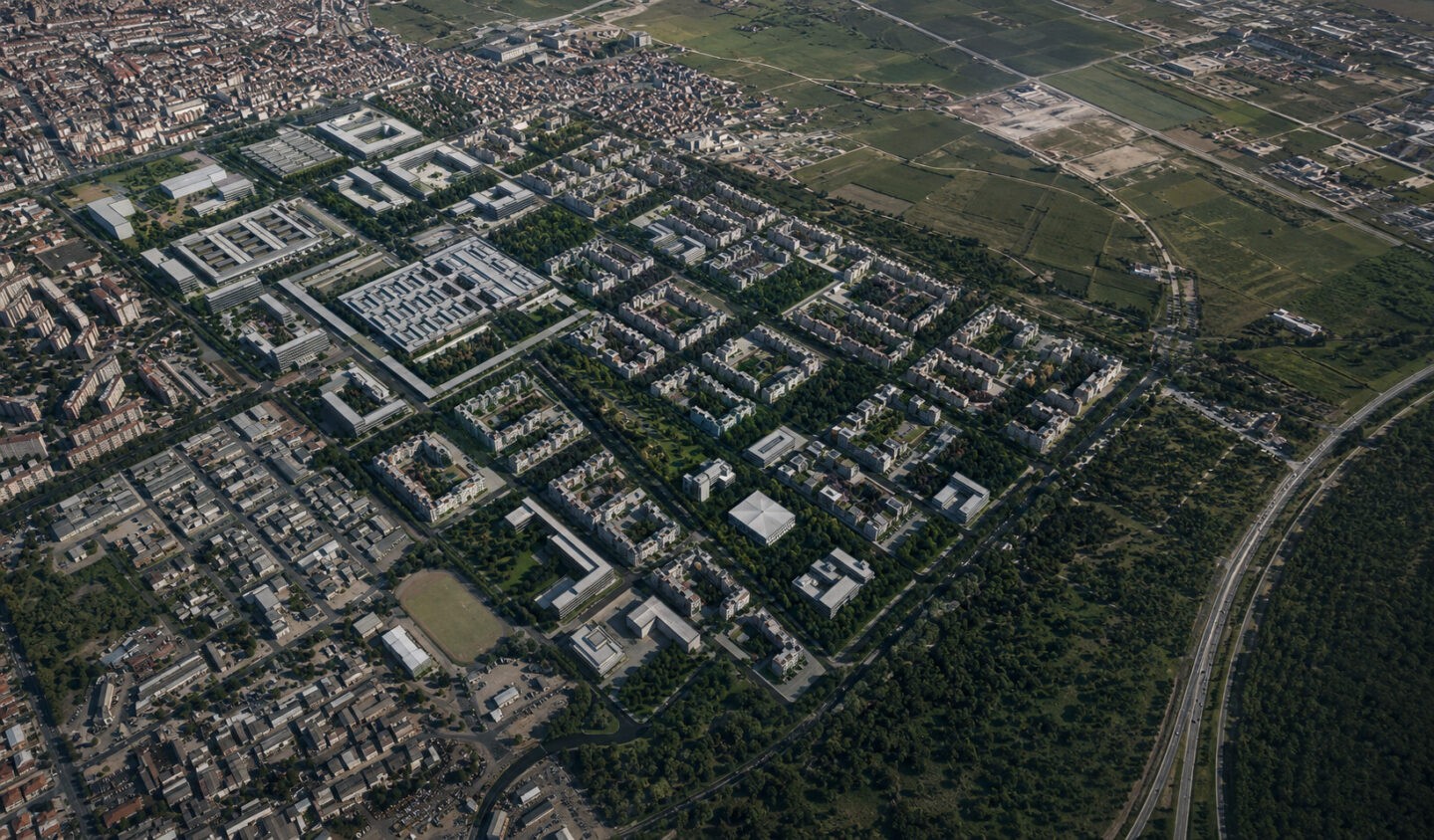
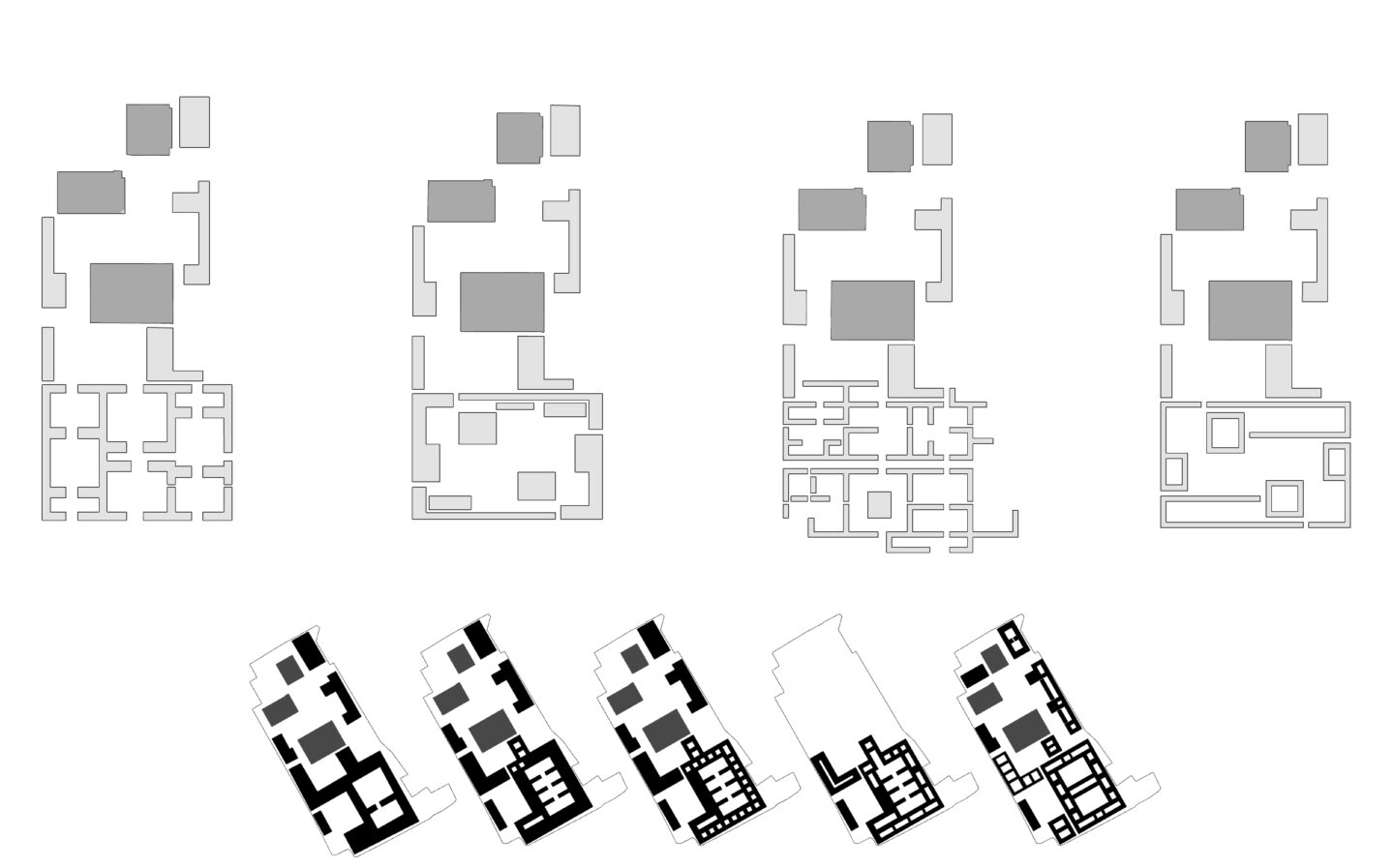
However, as the products manufactured here lost their relevance, the factory became obsolete and turned into a major zone of decline within the city. A site that once held a highly valuable, generative function has today become a significant void in the urban fabric. The project addresses exactly this question: how can this site be reimagined as a liveable place once again, woven together with culture and production through a new-generation masterplan?
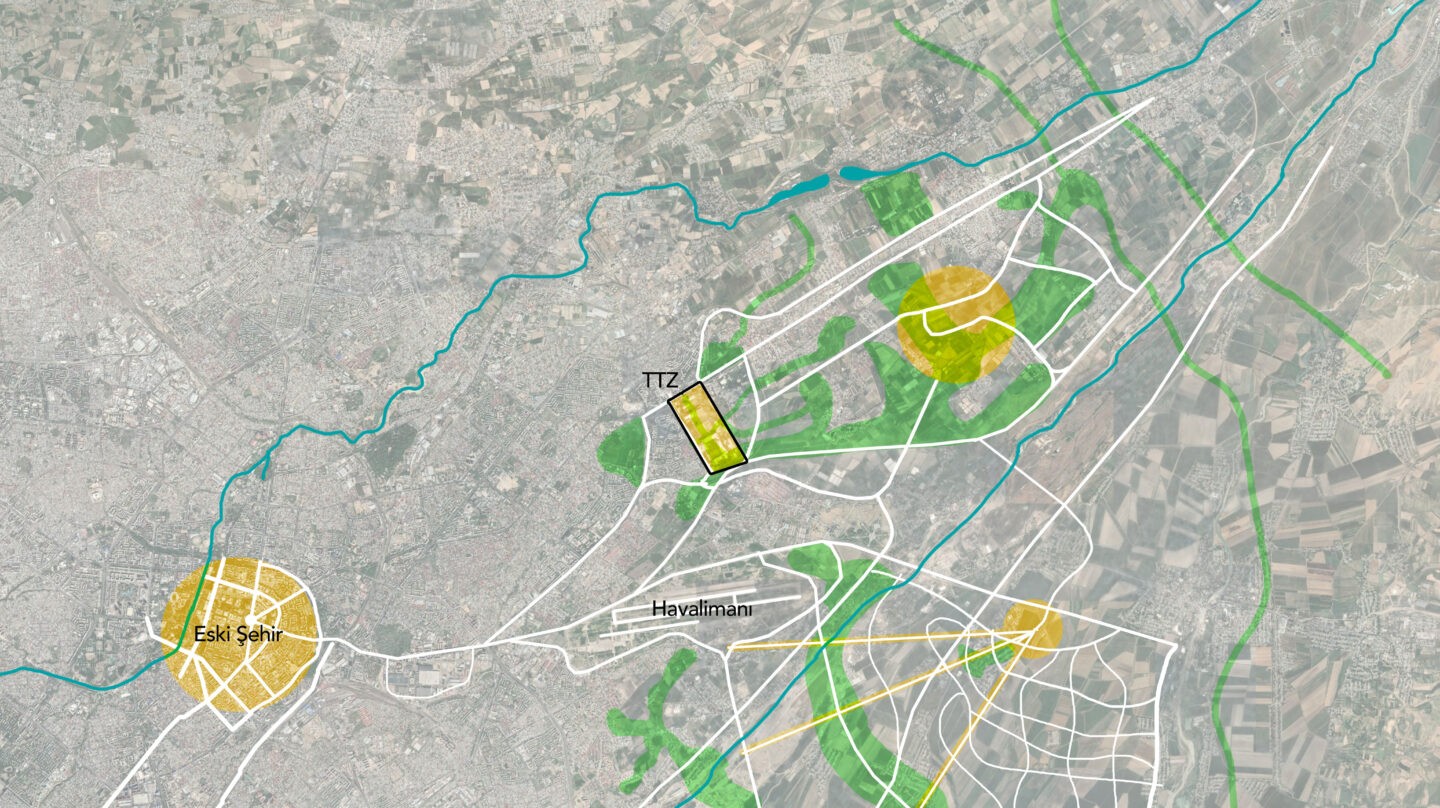
A preservation-led masterplan, beginning from the Silk Road
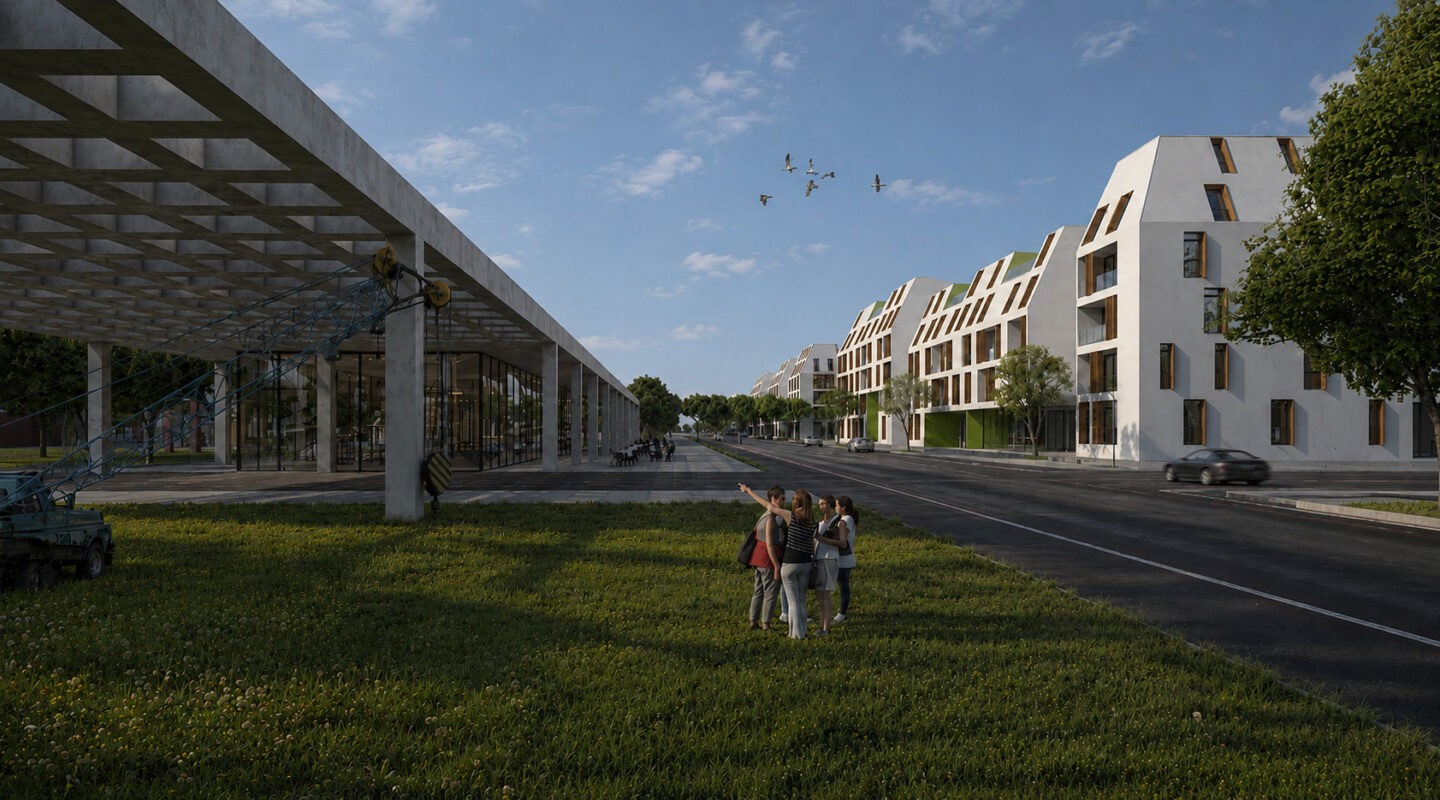
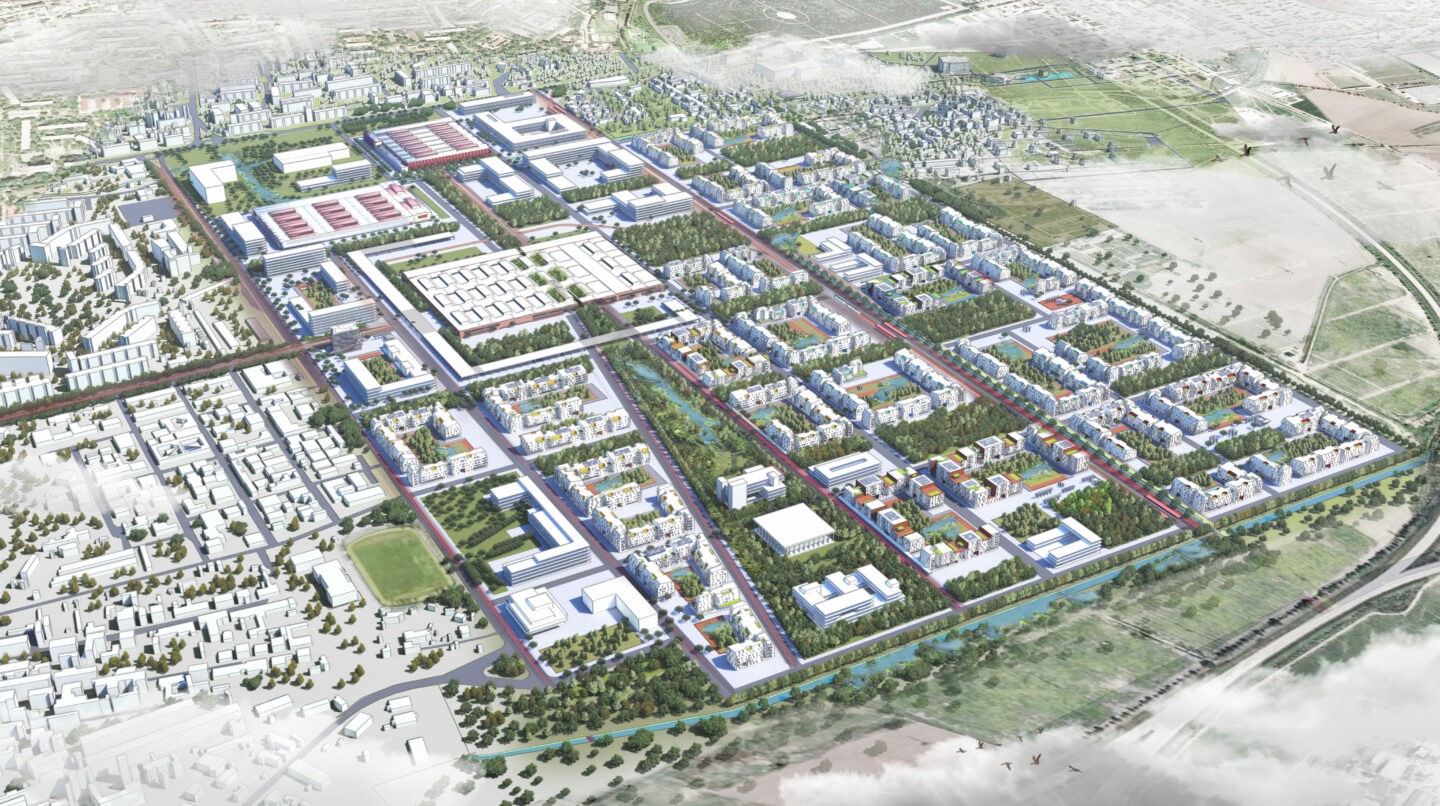
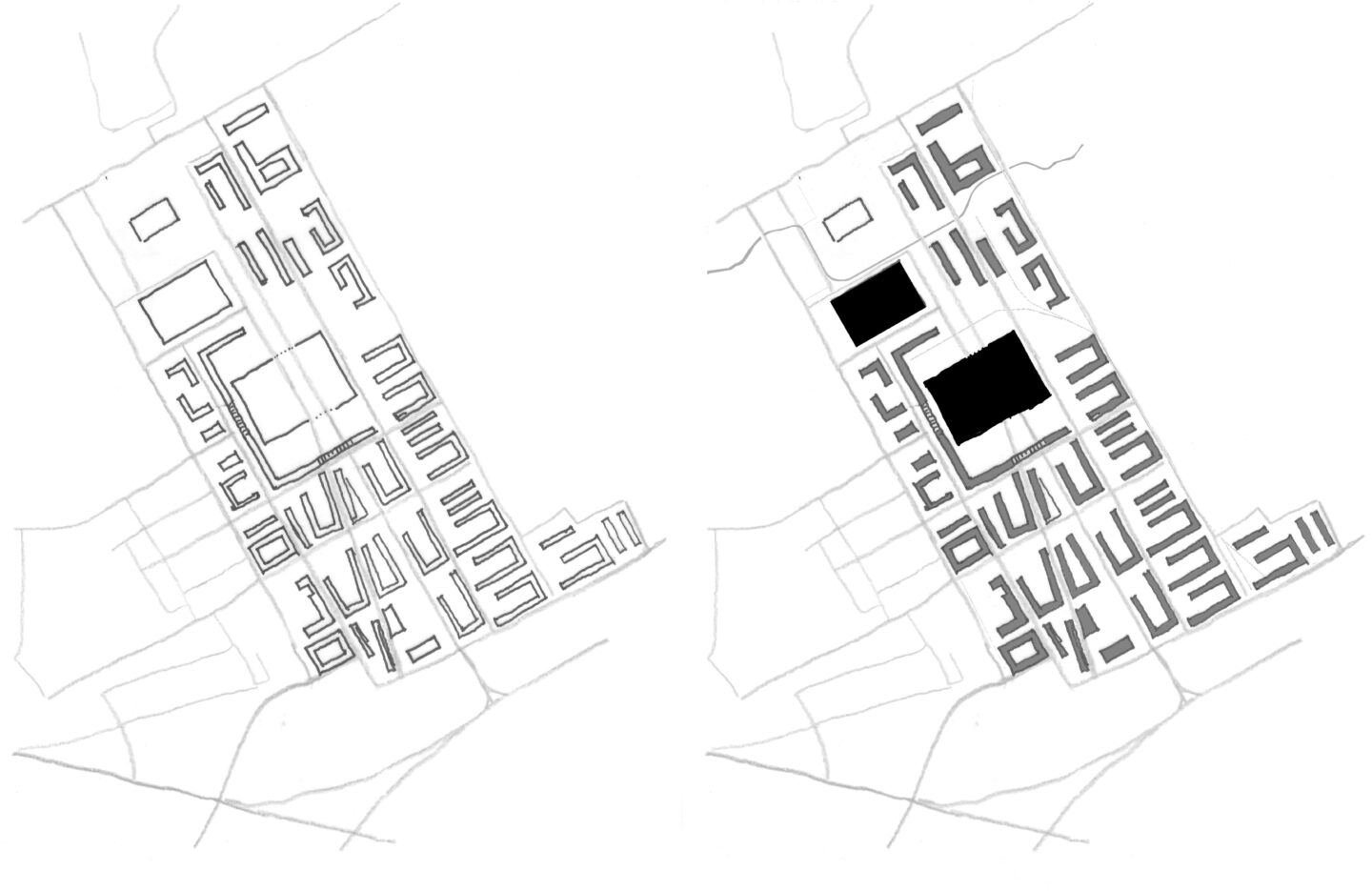
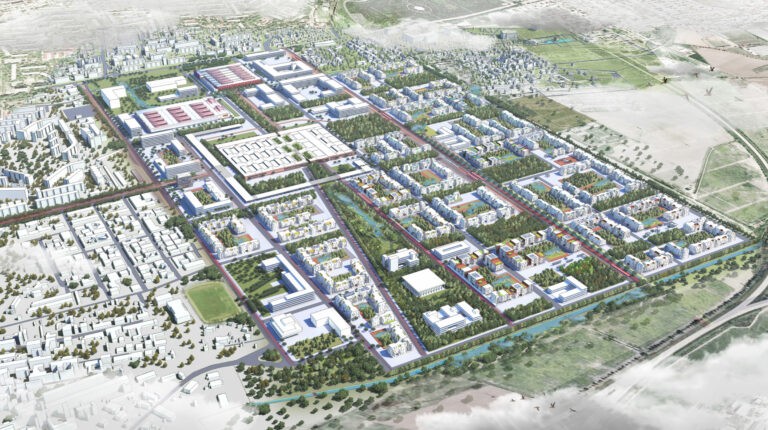
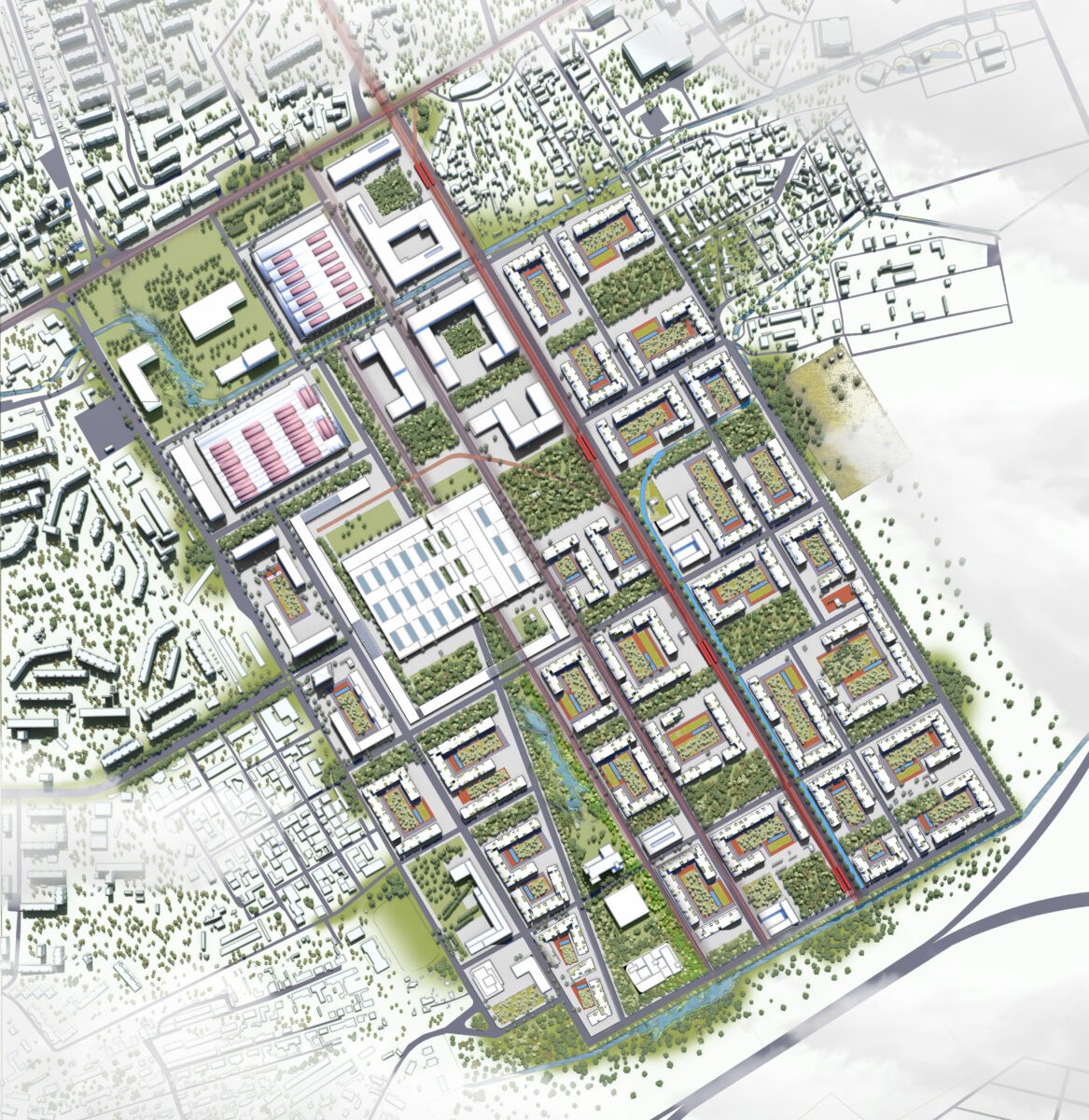
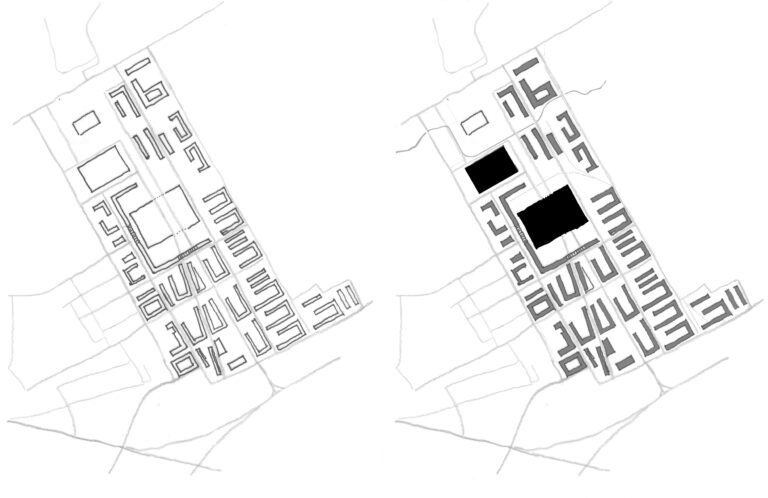
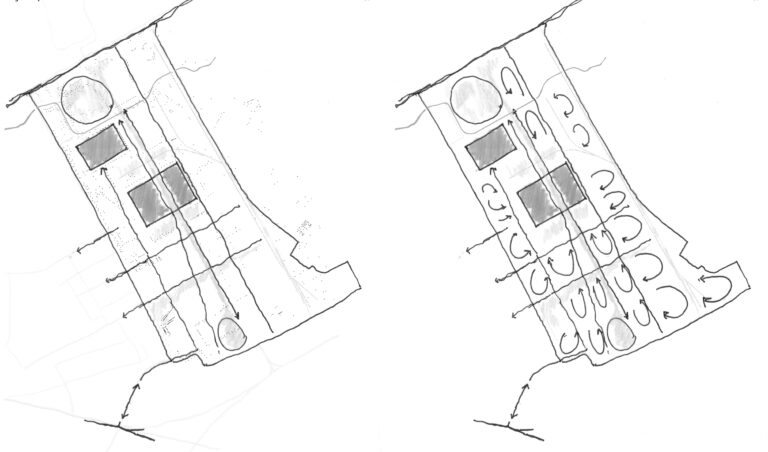
The Great Silk Road Avenue is a major spine that brings together many elements of the city. The masterplan develops from this avenue, preserving as much of the existing industrial and green fabric as possible while introducing well-defined living spaces.
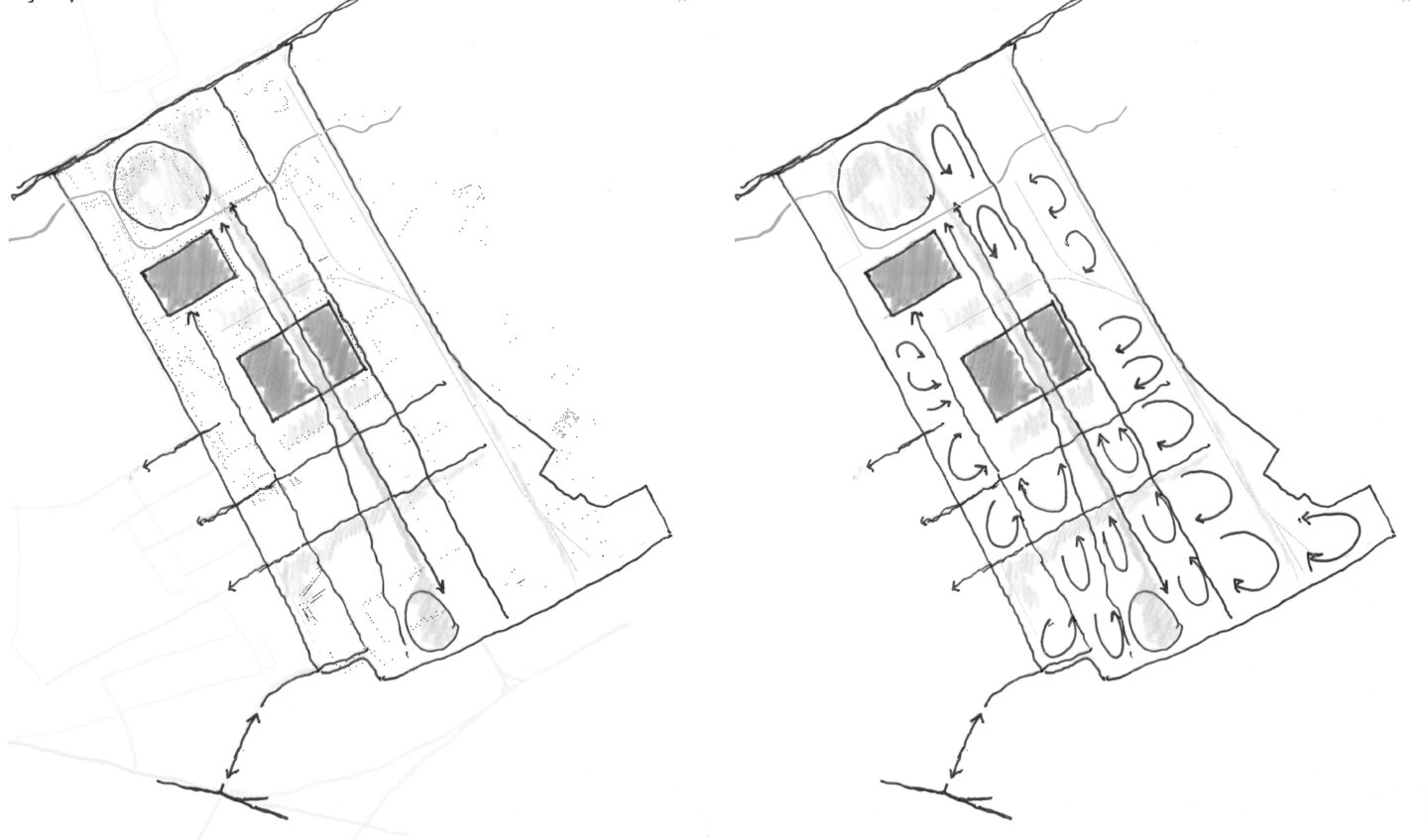
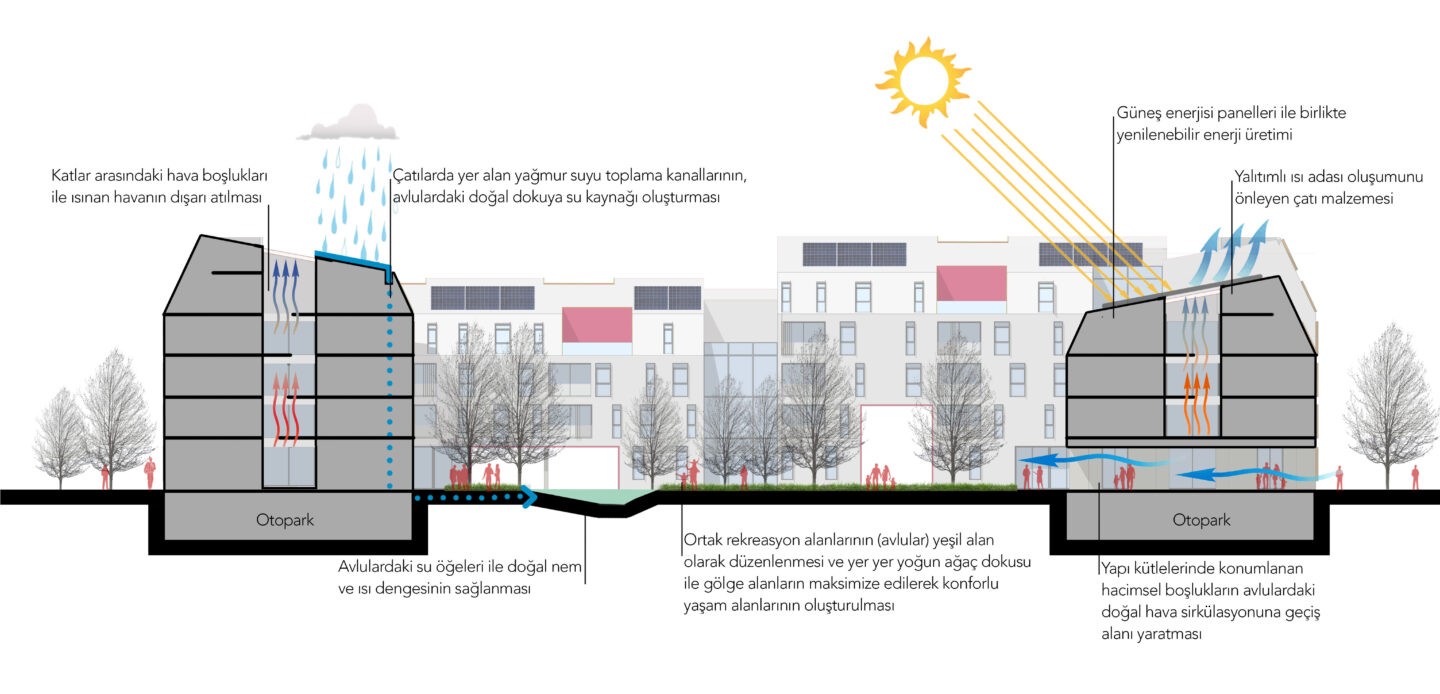
The existing structures and green fabric, in fact, directly shape the design logic of the masterplan; new building volumes and voids are designed to support natural air circulation within the courtyards. A significant portion of the site is planned as predominantly residential, while the green network, transportation network and sustainability functions are distributed across the city not as isolated, point-based infrastructures, but as an integrated, holistic system.
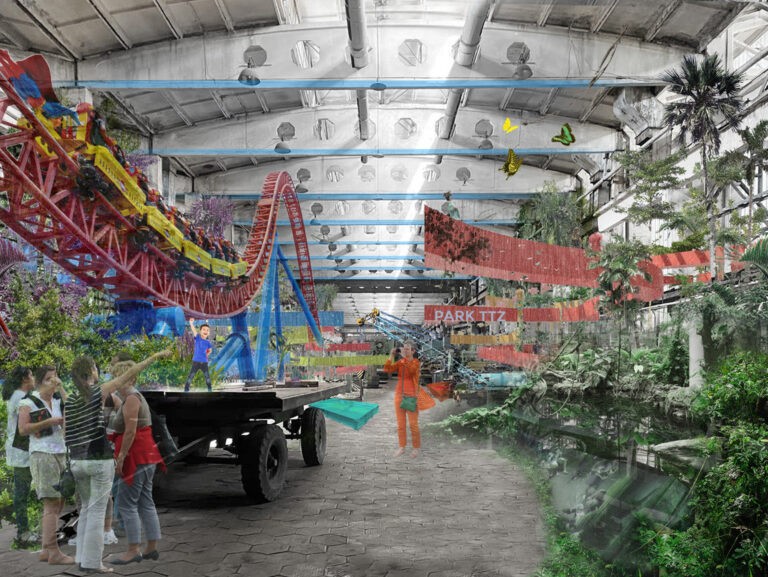
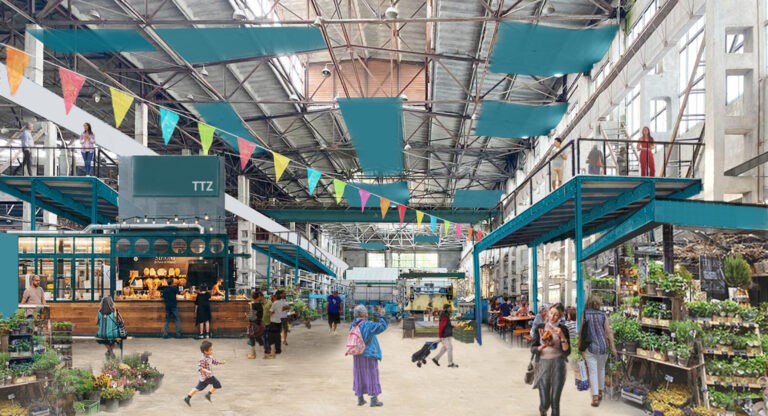
A cycle where production and culture intertwine
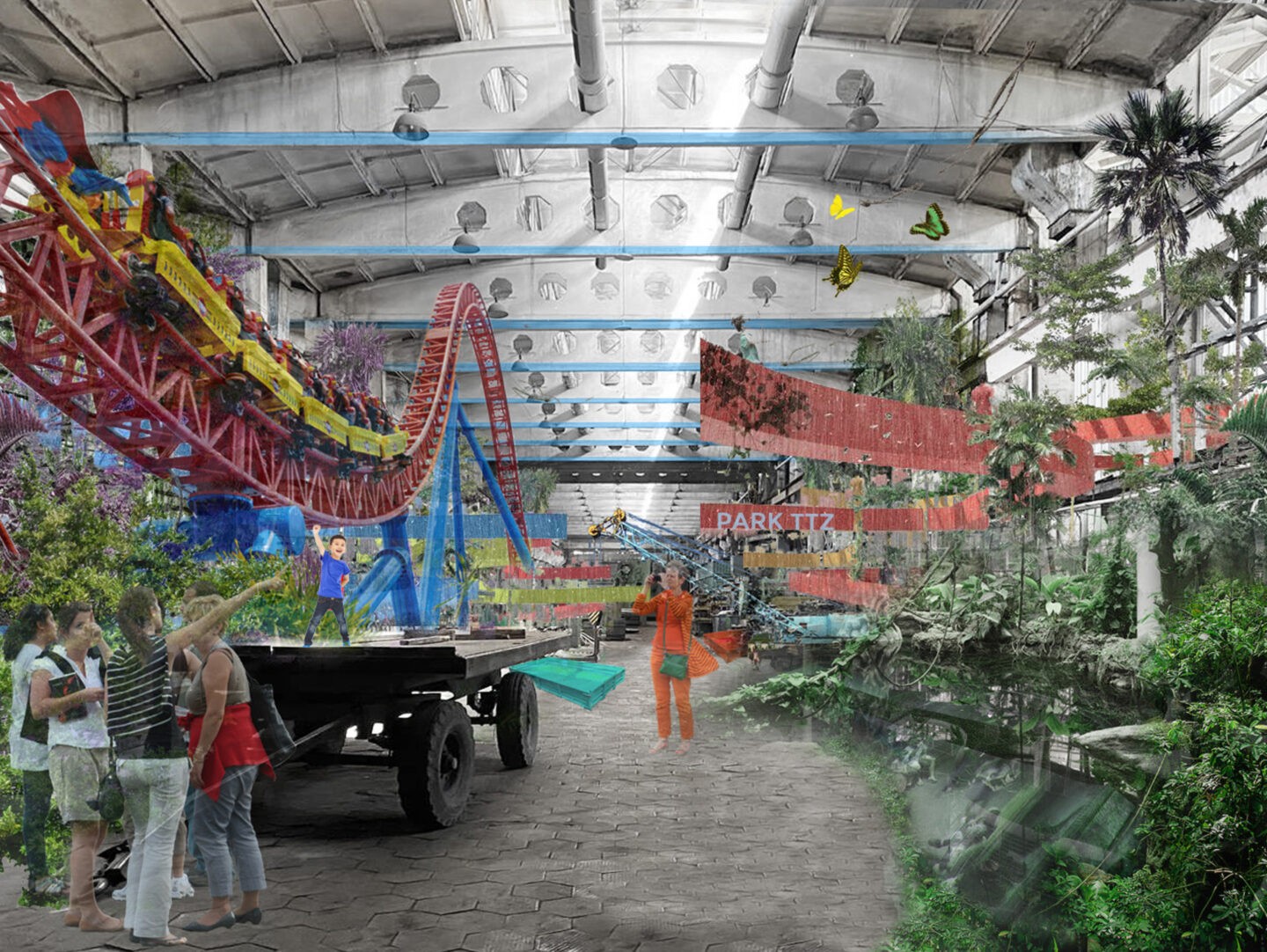
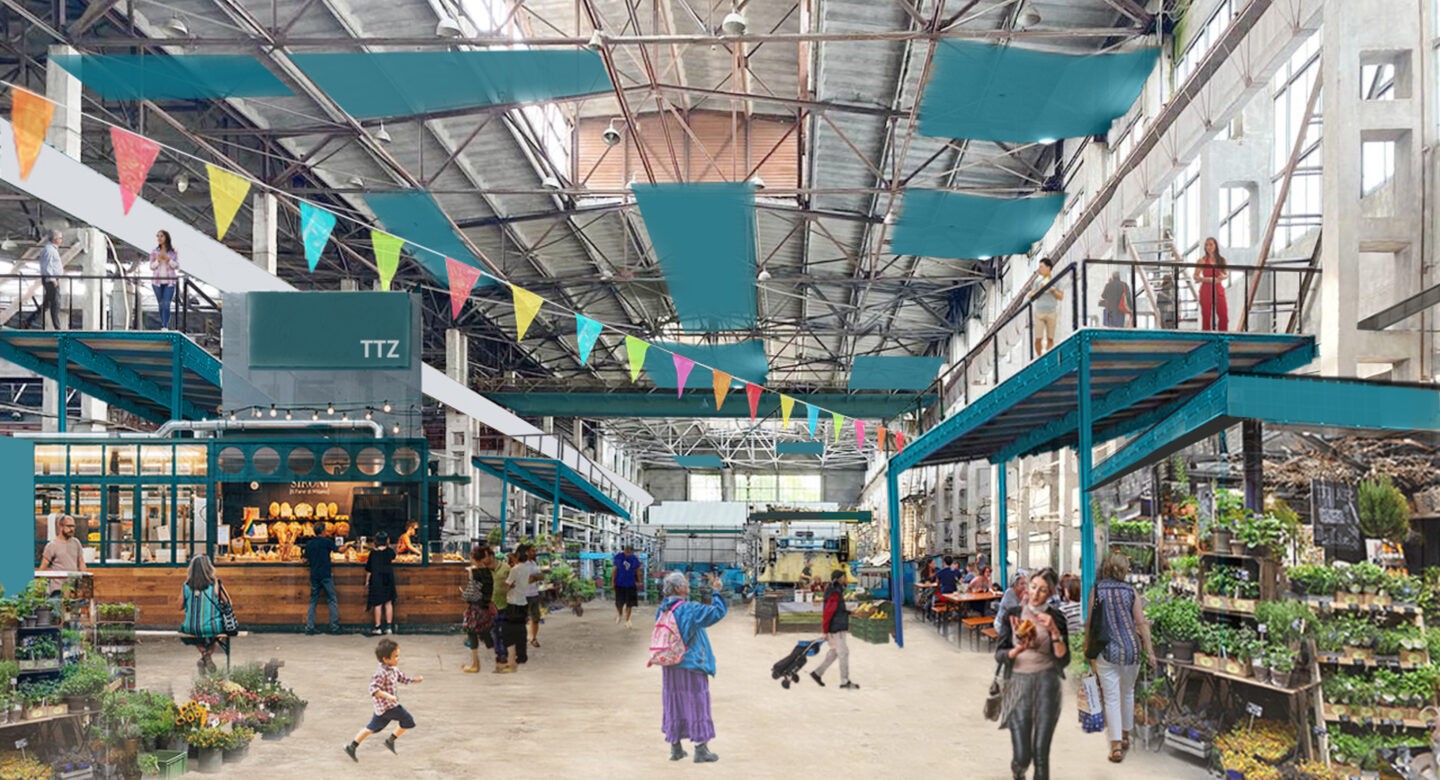
Industrial fabric tends to cluster in its own particular way; the real problem that arises once this fabric loses its industrial function is the fragmentation of these functions. To address this, the project brings together production workshops that contribute to the local economy, technology- and research-focused innovation offices, and spaces where the products made here can be marketed. In addition, cultural functions such as an art center and an industrial heritage museum support this production fabric, forming a self-sustaining cycle.
Renewable energy and a water cycle
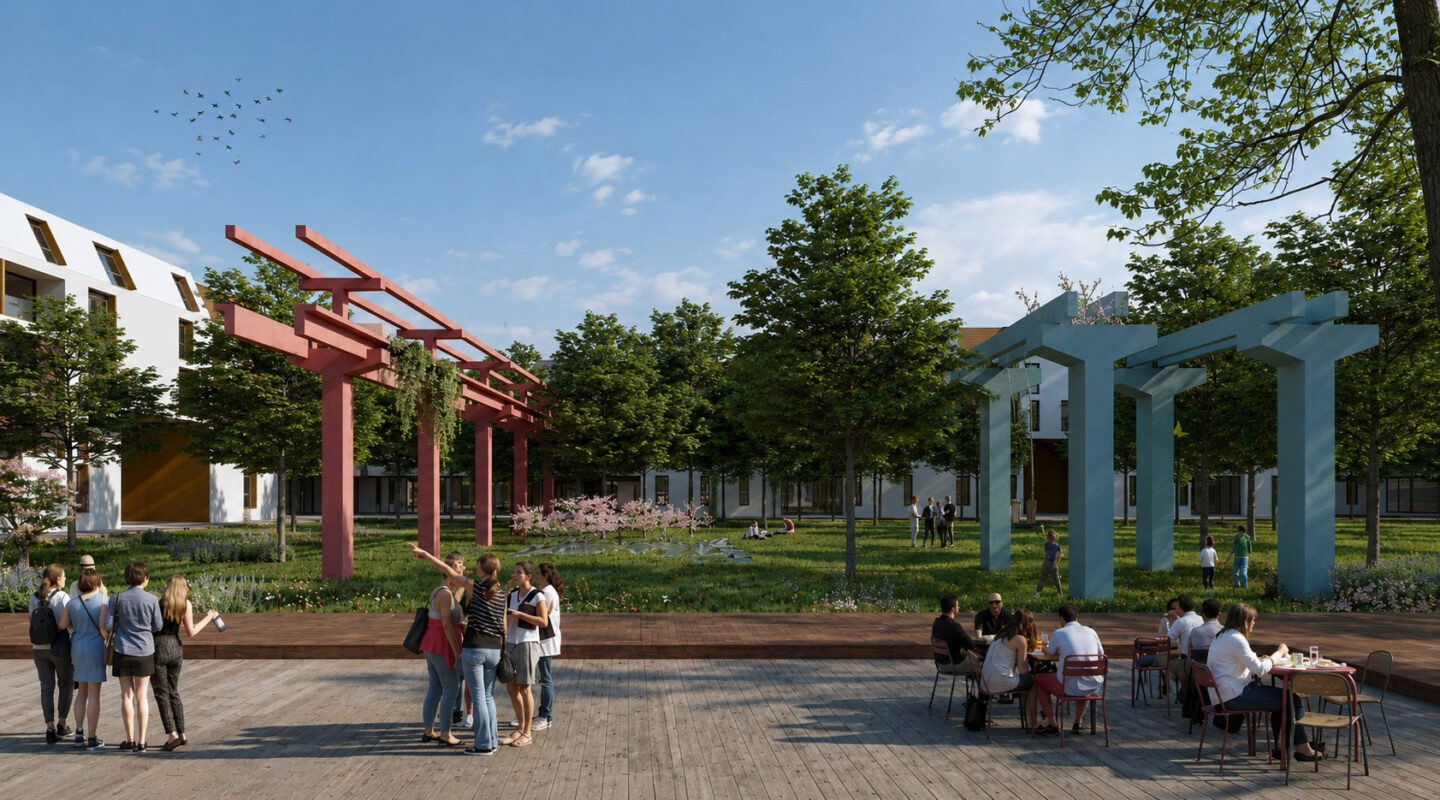
Sustainability is one of the masterplan’s foundational principles. Solar panels integrated into the rooftops generate renewable energy, while rainwater harvesting systems, linked to landscape elements within the courtyards, enable the reuse of water. Shared recreation areas are enriched with dense tree cover and green spaces, improving microclimatic comfort and minimizing the urban heat island effect.
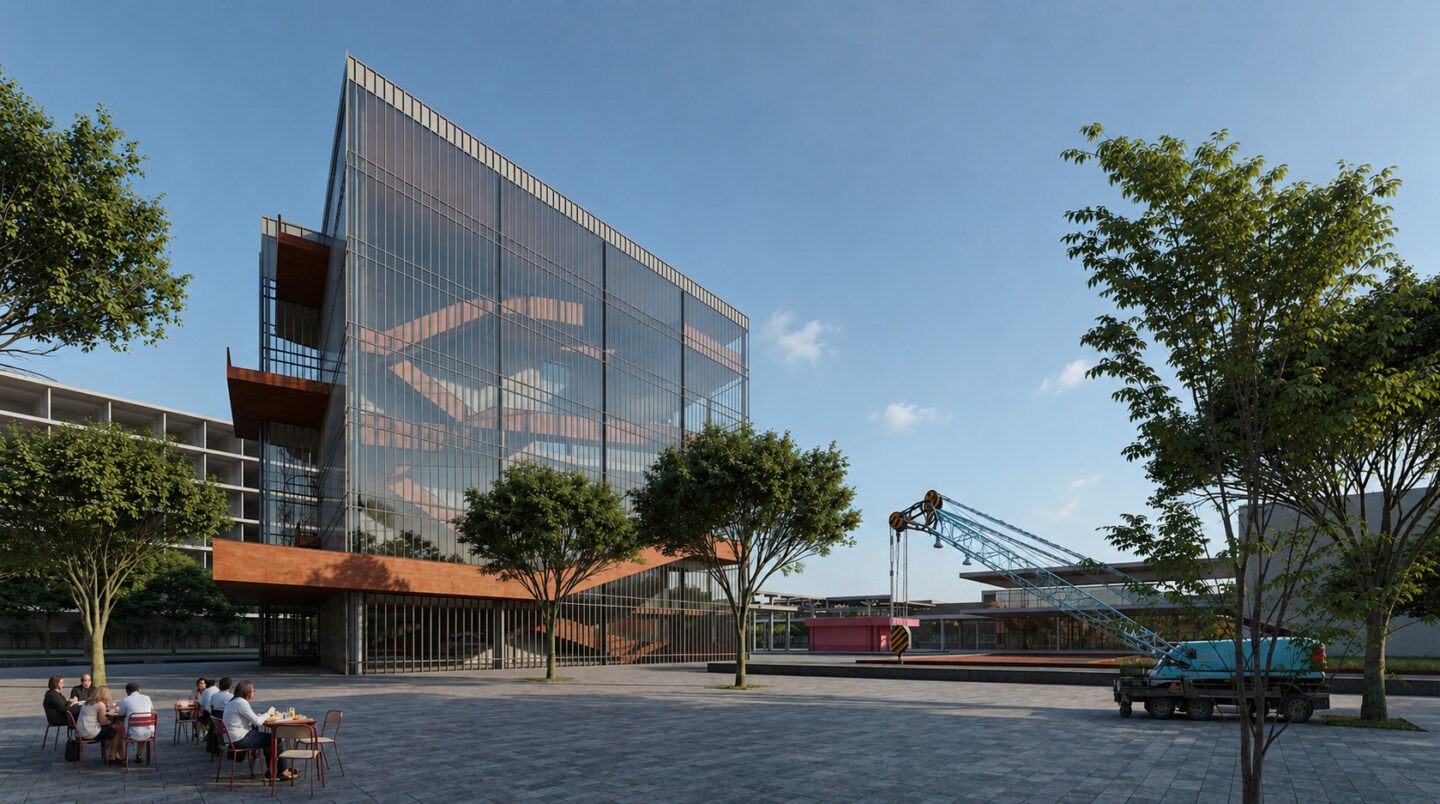
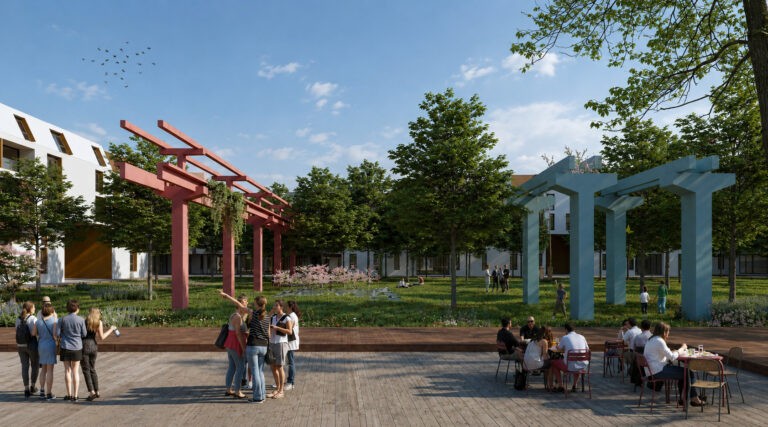
A regenerative production and living landscape
The aim is not only to establish a system of self-sustaining, mutually supportive functions, but also to ensure that this regenerative production and living environment becomes a masterplan capable of carrying Tashkent forward into the future.