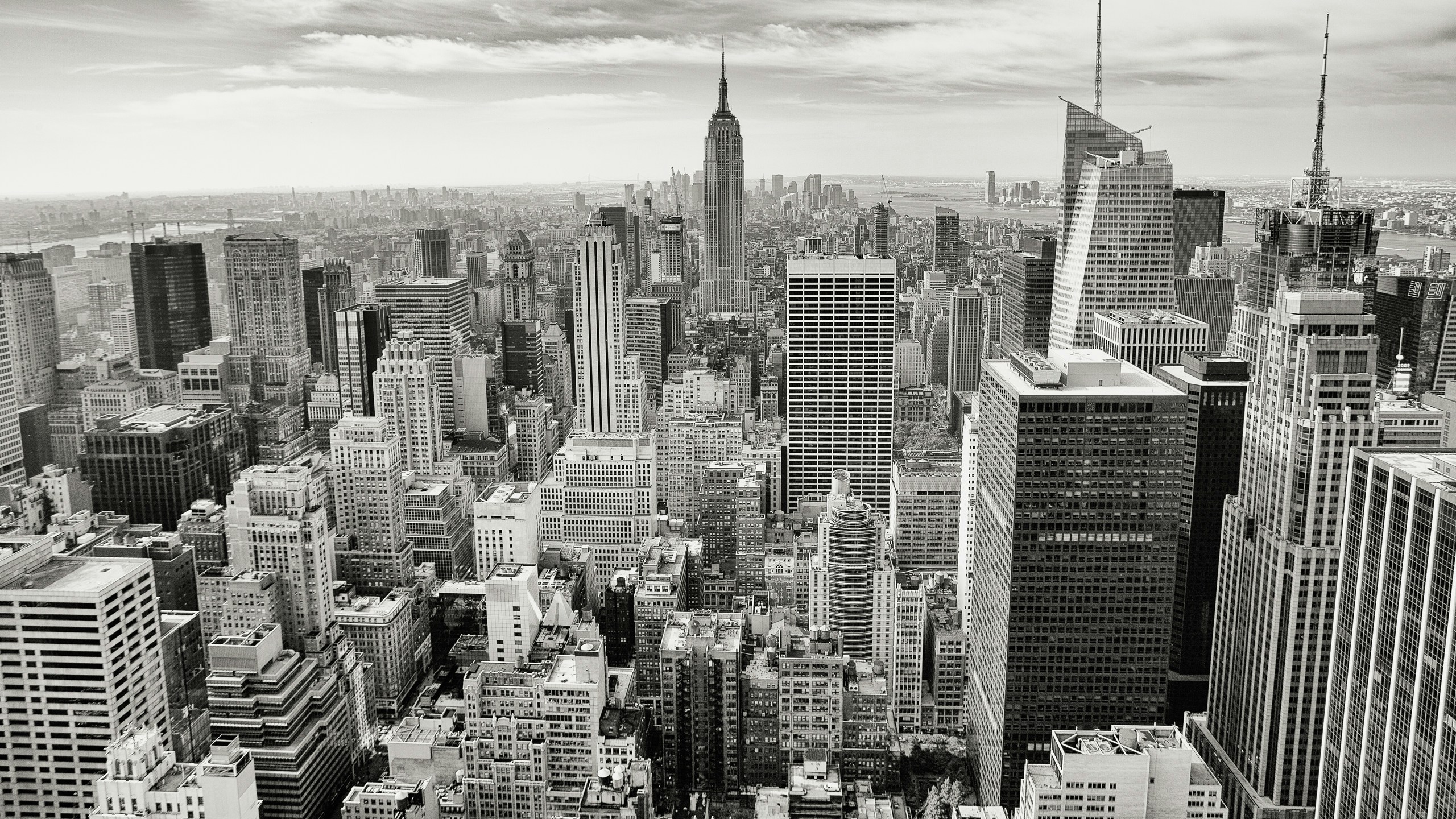
What Defines Contemporary Architecture in New York Today?
16 / 07 / 2022In an ever-evolving city like New York, the role of architecture has become increasingly strategic, complex, and influential. Developers, real estate firms, and institutional clients now expect a level of design intelligence that goes far beyond traditional services. They seek architects who can combine visionary thinking with technical precision, regulatory knowledge, and an ability to anticipate future needs. Understanding what defines architecture in New York today is essential for anyone preparing to build, reposition, or transform assets in this highly competitive market.
The Core Role of a Contemporary Architect in NYC
Contemporary architecture focuses on creating environments that support business, culture, and daily urban life. This includes office buildings, retail spaces, mixed-use developments, performance venues, innovation hubs, and many other program types. These spaces must operate efficiently while reflecting the values and identity of the organizations that occupy them.
Key Responsibilities Include
Concept and Design Development
Architects begin by shaping spatial concepts, massing studies, circulation patterns, zoning strategies, and interior configurations. In a dense city like New York, the ability to design for flow, access, daylight, and functionality is especially critical.
Regulatory Navigation
Operating in New York demands understanding local rules. Today’s architects draft permits, liaise with building authorities, meet accessibility standards, while navigating complex land-use codes. Adapting to changing green laws – like Local Law 97 – is equally essential.
Stakeholder Coordination
NYC projects involve many players. Architects coordinate structural engineers, MEP teams, facade specialists, sustainability consultants, landscape designers, and cost estimators. They also collaborate directly with developers, brokers, tenants, and institutional decision makers.
Construction Oversight
Throughout construction, architects monitor quality, clarify design intent, review shop drawings, and help maintain alignment with budget and schedule. This oversight protects the project vision and contributes to long-term performance and durability.
What Is Shaping NYC Contemporary Architecture in 2025
Contemporary architecture in New York reflects global transitions in workplace culture, sustainability goals, and technology, but it is also shaped by highly specific local factors. These include rising energy standards, zoning reform, shifting tenant expectations, and a push toward adaptive reuse. The following forces define the market today.
Adaptive Reuse and Conversion Strategies
With elevated office vacancy rates in several submarkets, adaptive reuse has become central to NYC’s development strategy. Many contemporary buildings constructed in previous decades are now being repositioned as mixed-use programs or converted into residential, hospitality, or hybrid environments.
This process requires significant design ingenuity. Architects must address outdated mechanical systems, structural limitations, irregular floor plates, and envelope inefficiencies. They must also ensure that new programs comply with zoning allowances and energy benchmarks while maintaining the integrity and value of the existing structure.
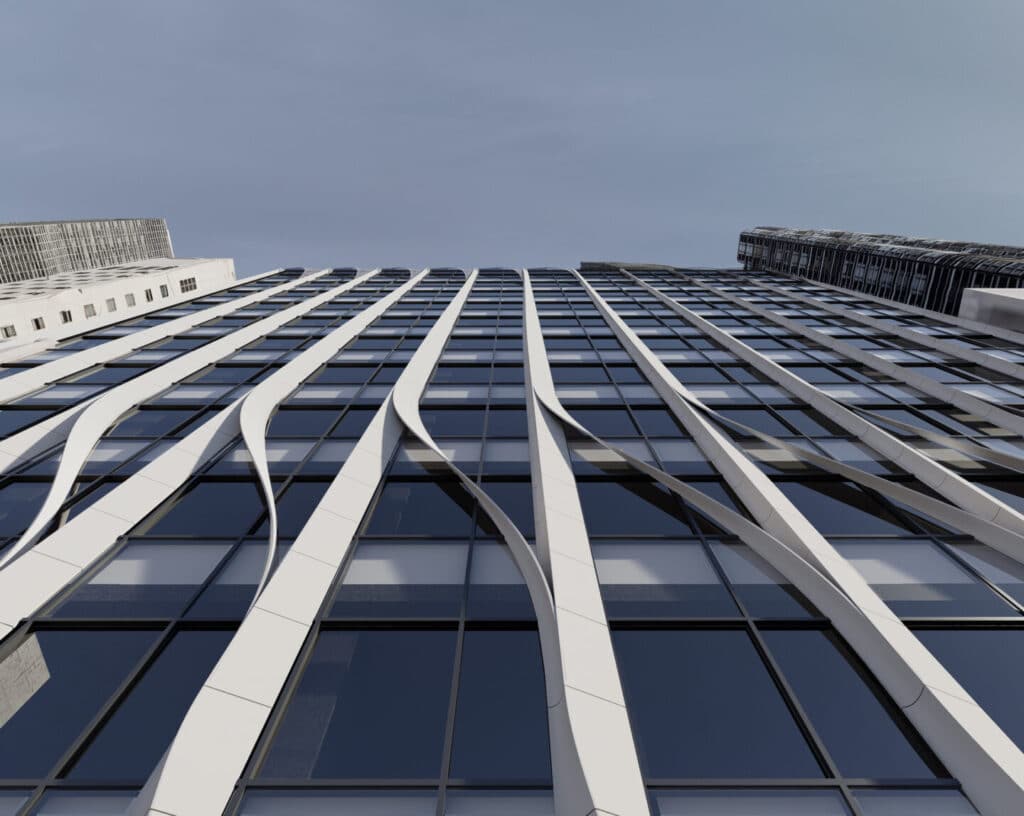
UN Plaza: A facade renovation of the Permanent Mission of Qatar demonstrating sophisticated adaptive reuse through computational design and sustainable material strategies that respond to Manhattan’s evolving diplomatic landscape.
Image Source:
© Salon – UN Plaza
Projects like UN Plaza showcase the expertise required to modernize existing diplomatic structures while maintaining their significance. The renovation integrates terracotta elements inspired by New York’s architectural heritage with computationally optimized vertical panels that simulate wind-formed desert patterns. By introducing advanced facade systems with passive solar control, enhanced thermal performance, and sustainable materials, architects transform legacy buildings into high-performance assets that meet contemporary energy standards while respecting their urban context.
Sustainability, Biophilia, and Wellness as Fundamentals
Sustainability has moved from a desirable feature to an operational necessity. New York’s Local Law 97 has established strict emissions caps for contemporary buildings, and this has accelerated investment in high-performance design. Energy efficiency, material responsibility, and long-term building performance are now at the core of contemporary architecture.
Biophilic and wellness-driven design have also become priorities. Tenants seek healthy environments that support productivity and wellbeing. This includes natural ventilation, daylight access, planting, low-VOC materials, touchless technology, acoustic control, and air quality monitoring.
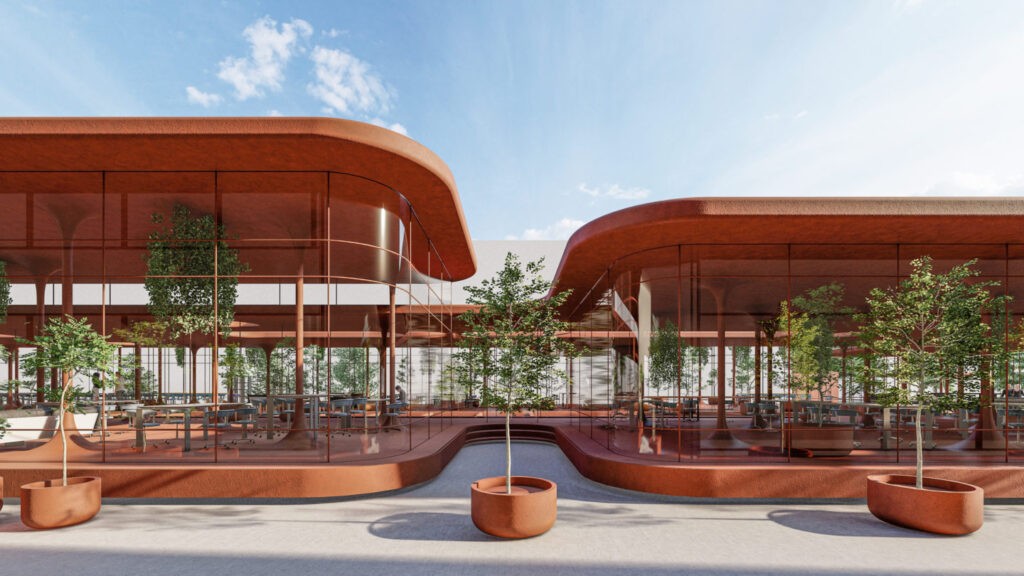
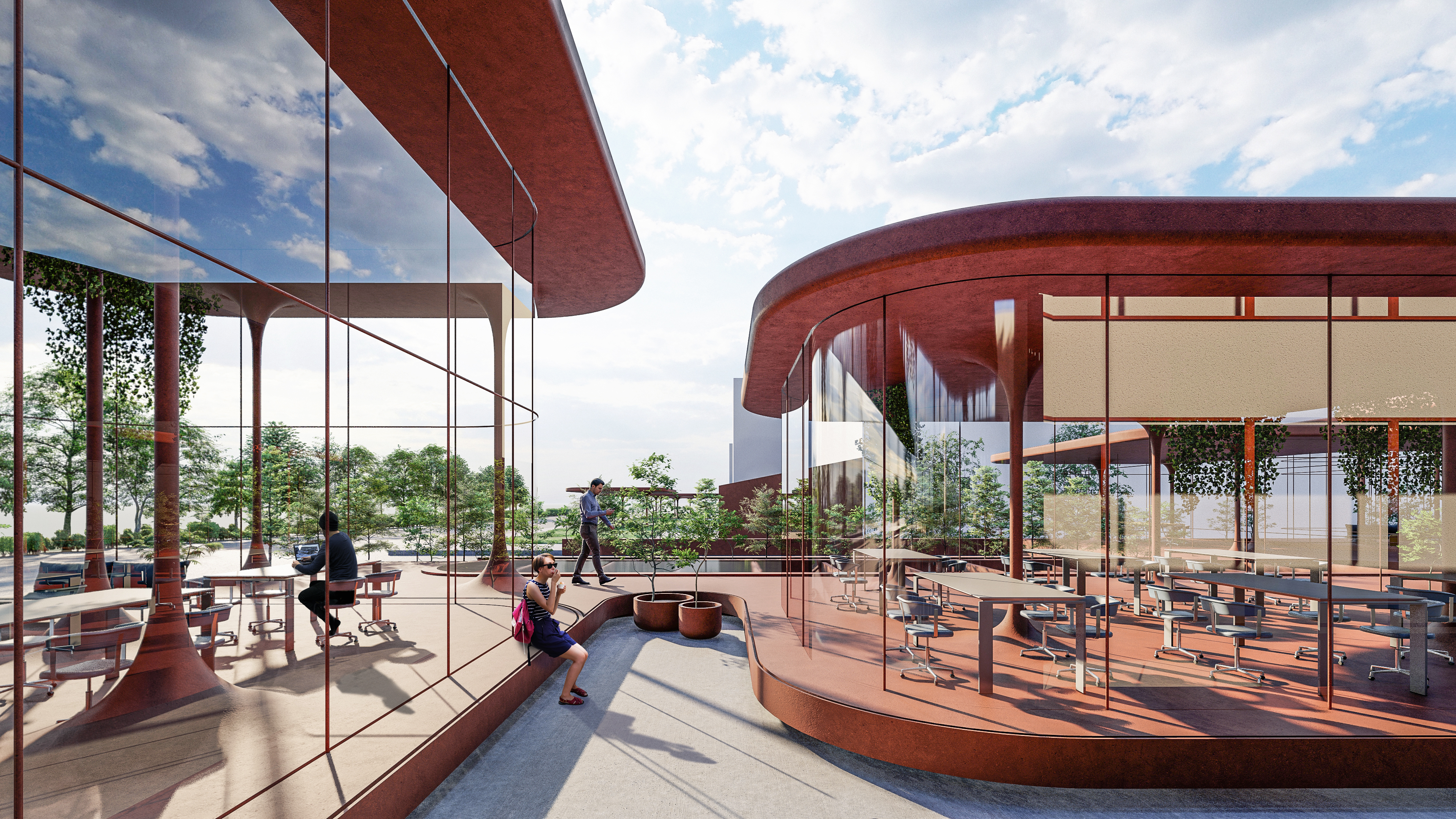
Ecotone Innovation Center: A workplace prototype incorporating outdoor zones, natural ventilation, and biophilic design principles that support flexibility and wellness.
Image Source:
© Salon – Ecotone Innovation Center
Forward-thinking architecture like Ecotone integrates these features cohesively. Instead of viewing sustainability as a checklist, architects embed environmental strategies into the overall design narrative and operational goals.
The Rise of Smart and Connected Buildings
Buildings in New York now function as intelligent ecosystems. The integration of interconnected technologies has become a defining characteristic of contemporary development.
Key elements include:
– IoT-based sensors that measure occupancy, comfort, and energy use-
– AI-guided HVAC systems that optimize performance
– Smart lighting with adaptive controls
– Predictive maintenance systems that detect issues in advance
– Unified platforms that allow building operators to view all performance data in real time
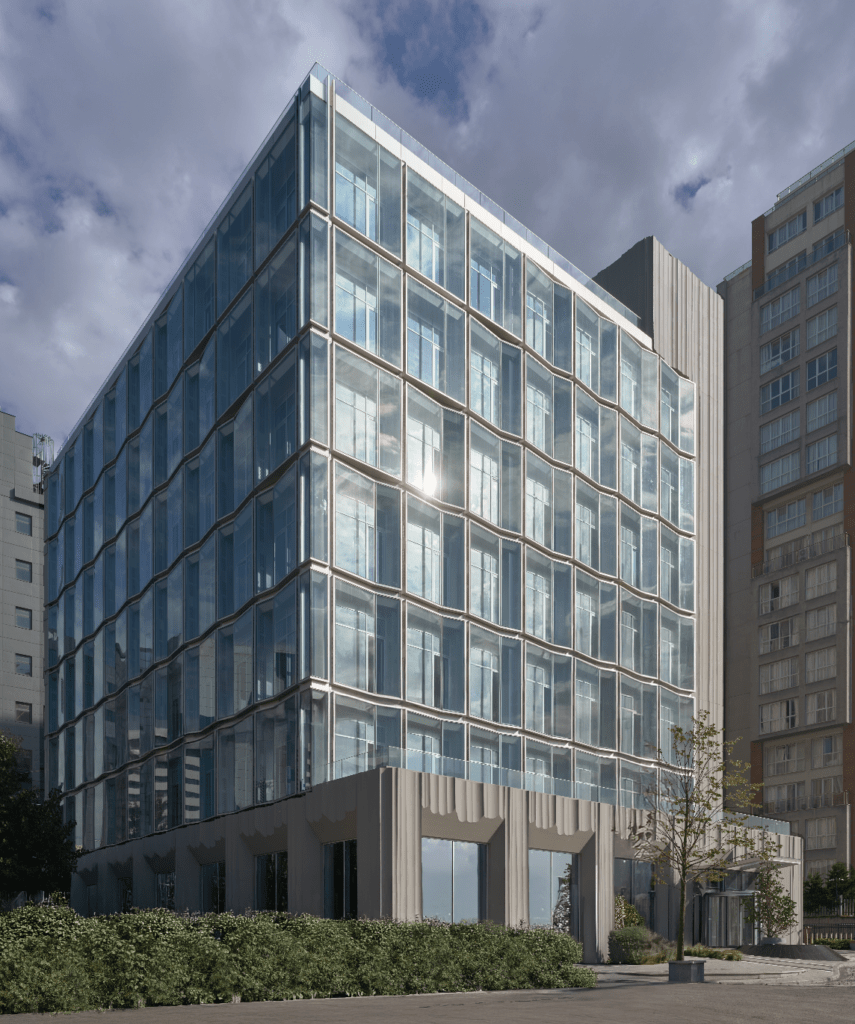
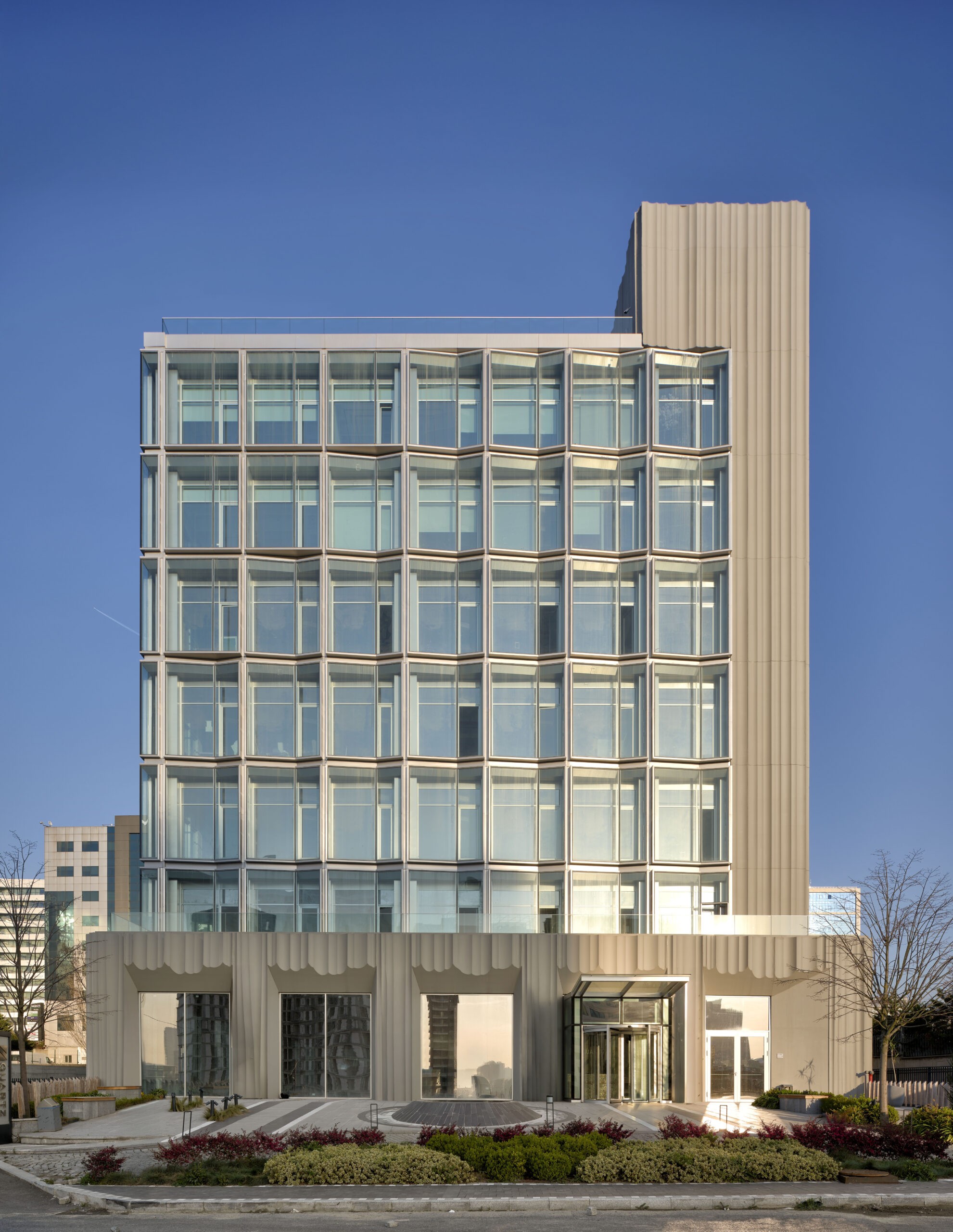
Quartz Plaza: A double-skin facade system integrating thermal performance with dynamic light refraction and energy efficiency.
Image Source:
© Salon – Quartz Plaza
These technologies reduce energy costs and support regulatory compliance while improving the day-to-day experience for tenants. Smart envelopes like those employed in Quartz Plaza also play a significant role in controlling heat gain, enhancing daylight, and minimizing energy loads.
Flexible and Hybrid Workspace Typologies
Hybrid work has permanently reshaped office design in New York. Architects must now create workplaces that support collaboration, focus, community, and adaptability within the same footprint. The goal is to design environments that can evolve as organizations change.
High-performing flexible offices include:
– Open collaboration areas
– Enclosed focus rooms
– Reconfigurable furniture systems
– Acoustic zoning
– Integrated power and data infrastructure for mobility
– Indoor and open-air extensions that allow for multiple modes of work
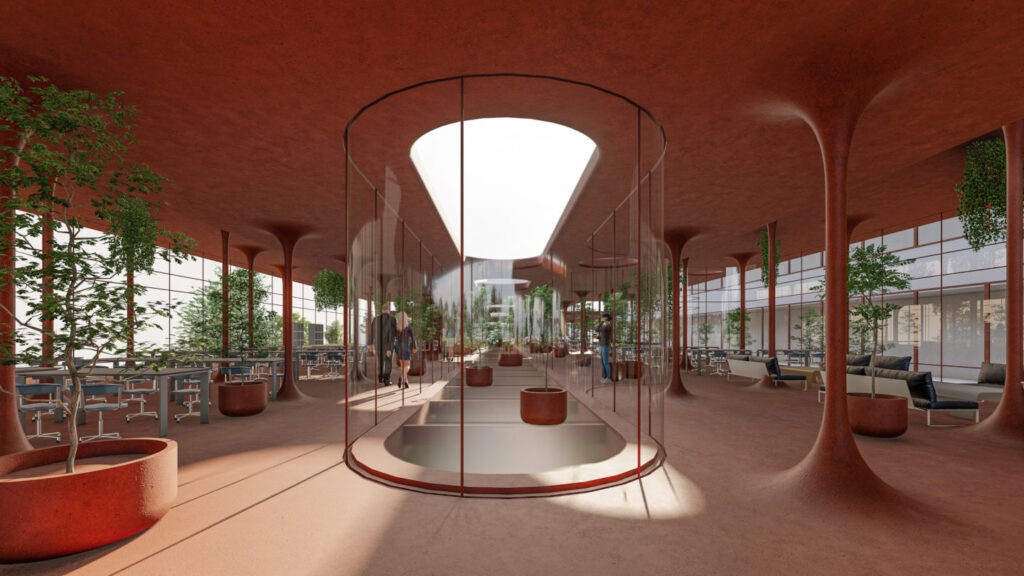
A flexible coworking environment featuring adaptable zones, integrated planting, and partially open-air meeting areas.
Image Source:
© Salon – Ecotone Innovation Center
Projects like Ecotone Innovation Center, featured in TIME Magazine as an exemplar of future workspaces, demonstrate this flexible approach with partially open-air design and reconfigurable coworking zones that adapt to different work modes.
These spatial strategies give tenants greater control over how they use space and help buildings remain competitive in a rapidly evolving market. They also support workplace strategies that prioritize employee wellbeing and organizational culture.
Purpose-Driven and Emotionally Intelligent Architecture
Architecture is increasingly expected to do more than function efficiently. Tenants and visitors respond to spaces that feel intentional, memorable, and emotionally resonant. Purpose-driven design considers narrative, identity, and cultural significance, creating environments that express values and enhance experiences.
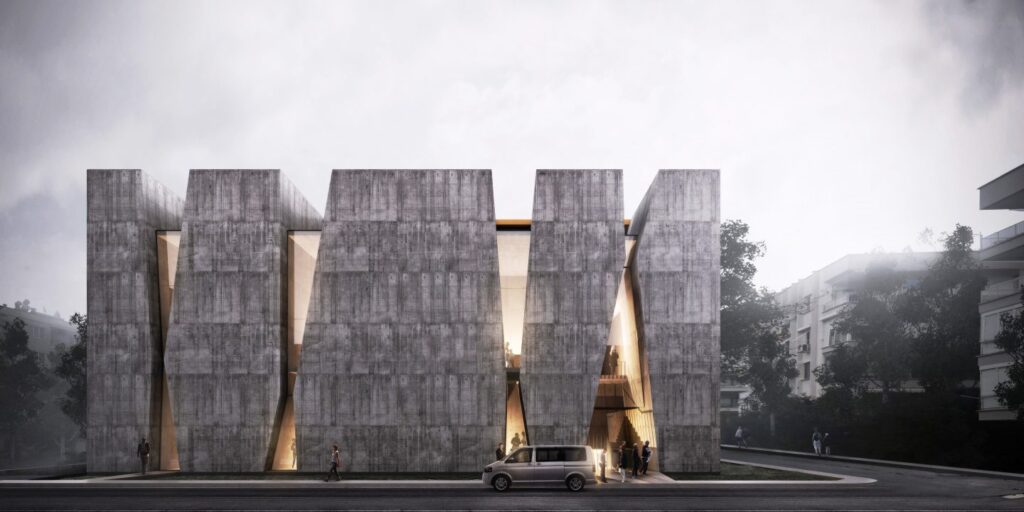
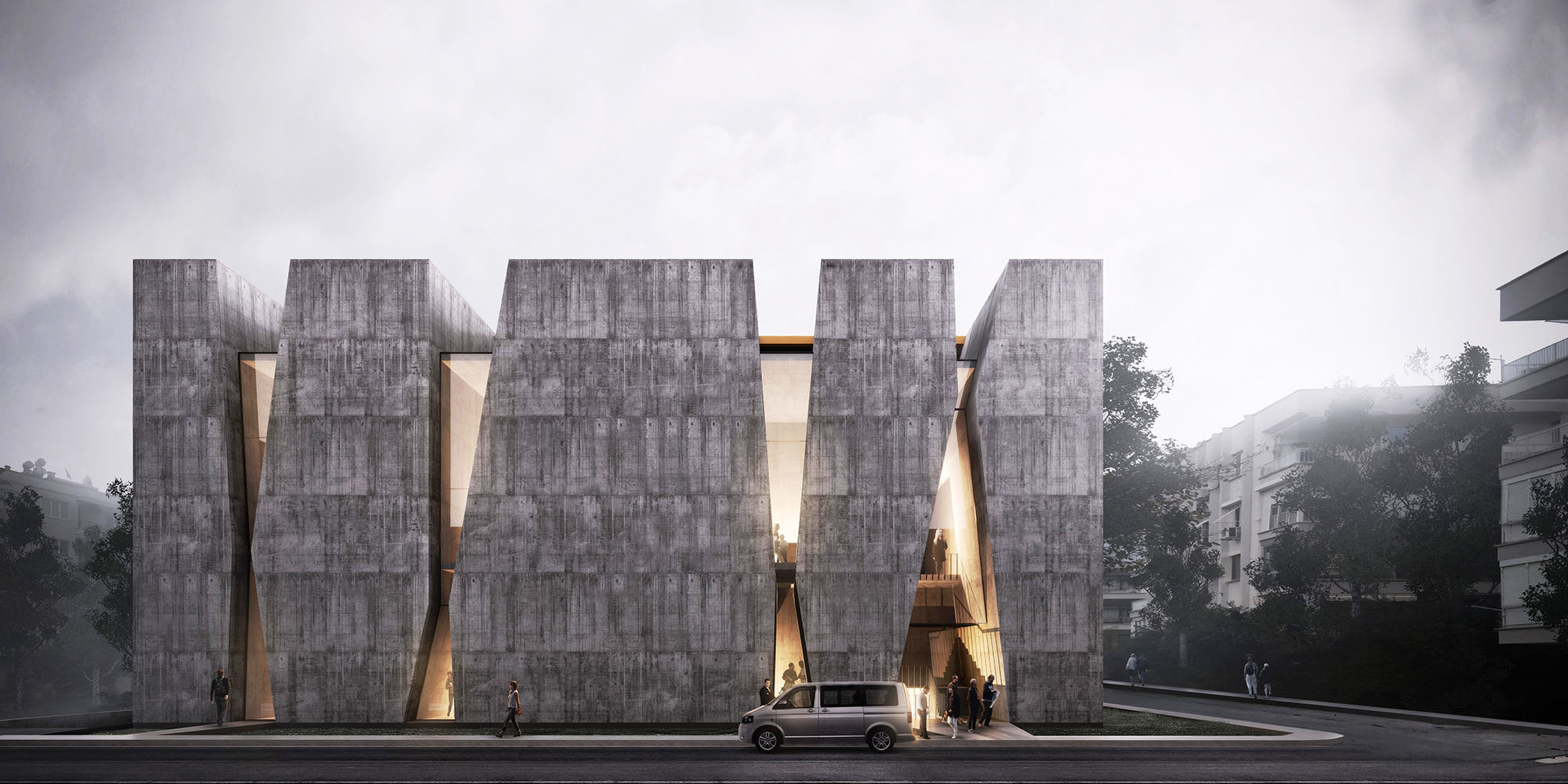
PARKOPERA: A mixed-use cultural project demonstrating how architecture can integrate performance, public space, and urban context.
Image Source:
© Salon – PARKOPERA
Architecture like PARKOPERA that incorporates artistic expression, contextual sensitivity, and experiential qualities can significantly improve tenant satisfaction and long-term asset value.
Circular Design and Next-Generation Material Strategies
Material innovation has become a central focus of contemporary architecture. Circular design principles guide the selection of materials that can be reused or repurposed and encourage reduced waste and lower embodied carbon.
These approaches include:
– Recycled steel and reclaimed wood
– Low-emission finishes and adhesives
– High-performance facade systems that minimize energy use
– Modular components that allow future disassembly
– AI-generated forms or furniture fabricated with recycled content
– Innovative structural systems that reduce material consumption
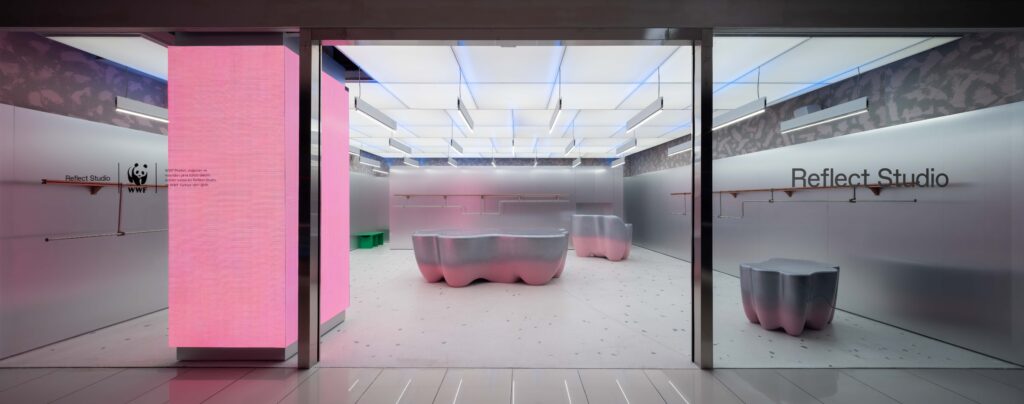
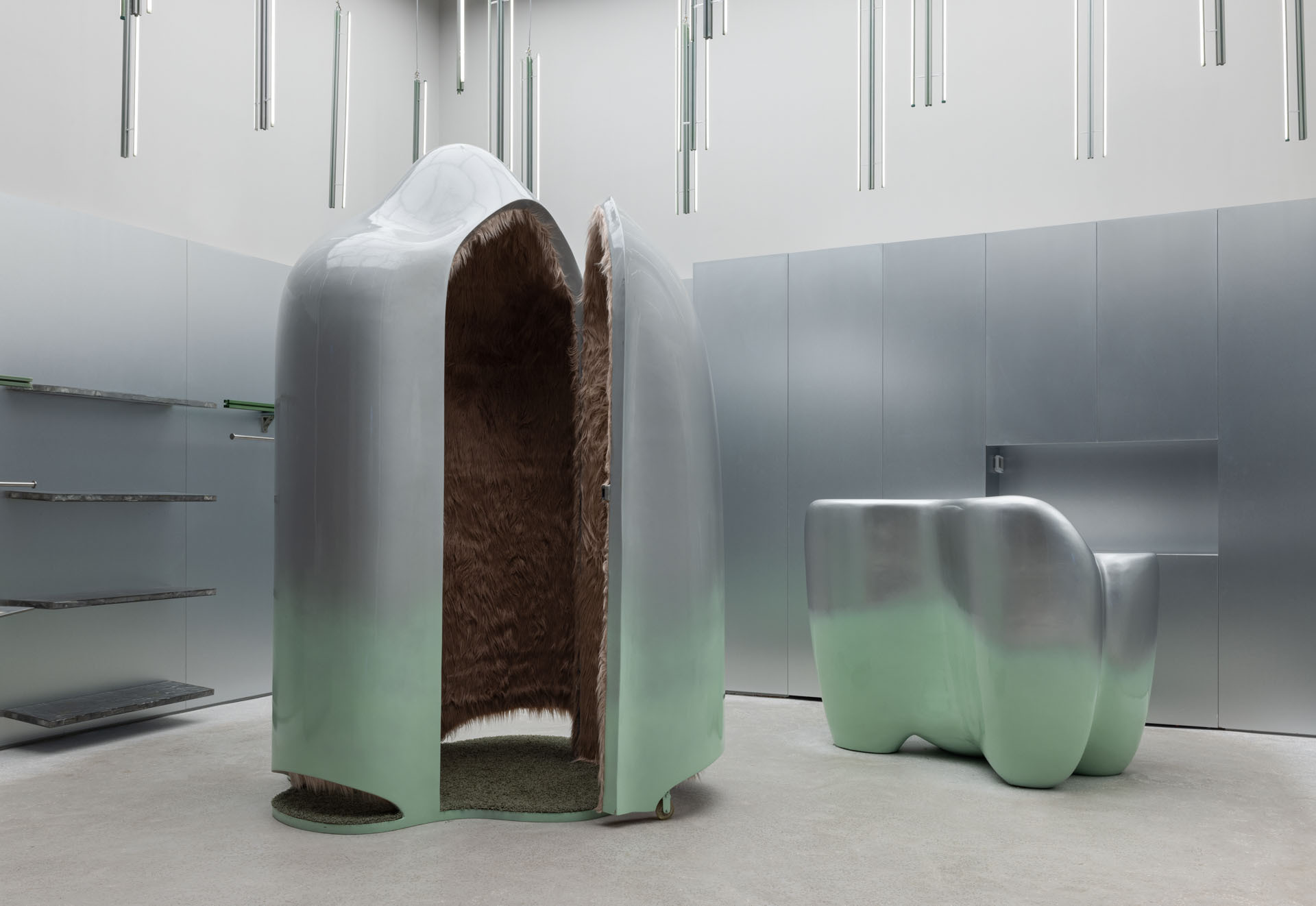
Reflect Studio: Retail environment utilizing recycled materials and AI-generated furniture elements to merge sustainability with design innovation.
Image Source:
© Salon – Reflect Store
Projects like Reflect Studio demonstrate how new fabrication technologies support slender, efficient structures that use fewer resources while maintaining resilience and performance.
Why These Trends Matter for NYC Developers and Institutions
These shifts are not abstract or theoretical. They directly affect the financial, operational, and regulatory outcomes of real estate projects throughout the city.
Value Creation and ROI
Energy efficiency, flexibility, and design quality enhance asset value and reduce operational costs. Buildings that stay relevant attract higher-quality tenants.
Risk Management and Resilience
Designing for adaptability reduces long-term risk. Buildings built for narrow, outdated uses may struggle in changing markets, while versatile assets can pivot to new demands.
Brand Positioning and Tenant Attraction
Wellness, sustainability, and experiential quality have become important differentiators. Many organizations view their space as a reflection of brand identity and ESG commitments.
Regulatory Compliance and Project Efficiency
Local Law 97 and evolving code requirements make regulatory expertise invaluable. Architects who understand NYC processes help streamline approvals and reduce costly delays.
The Path Forward
As New York continues to evolve, modern architecture must address environmental performance, spatial flexibility, digital integration, and human experience simultaneously. Successful projects require architects who can combine technical expertise with design excellence and strategic thinking.
The buildings designed today will influence how New Yorkers work, shop, learn, and interact for decades. Creating environments that respond to today’s needs while anticipating tomorrow’s challenges requires a deep understanding of the city’s regulatory framework, development pressures, and cultural landscape.
Salon Architects brings a portfolio of innovative contemporary and mixed-use projects together with a dedicated New York presence. This combination of global expertise and local insight allows the firm to deliver highly creative, technically robust solutions tailored to the unique demands of NYC.
Explore how Salon Architects collaborates with New York developers and institutions to shape forward-looking architecture.
Related Projects
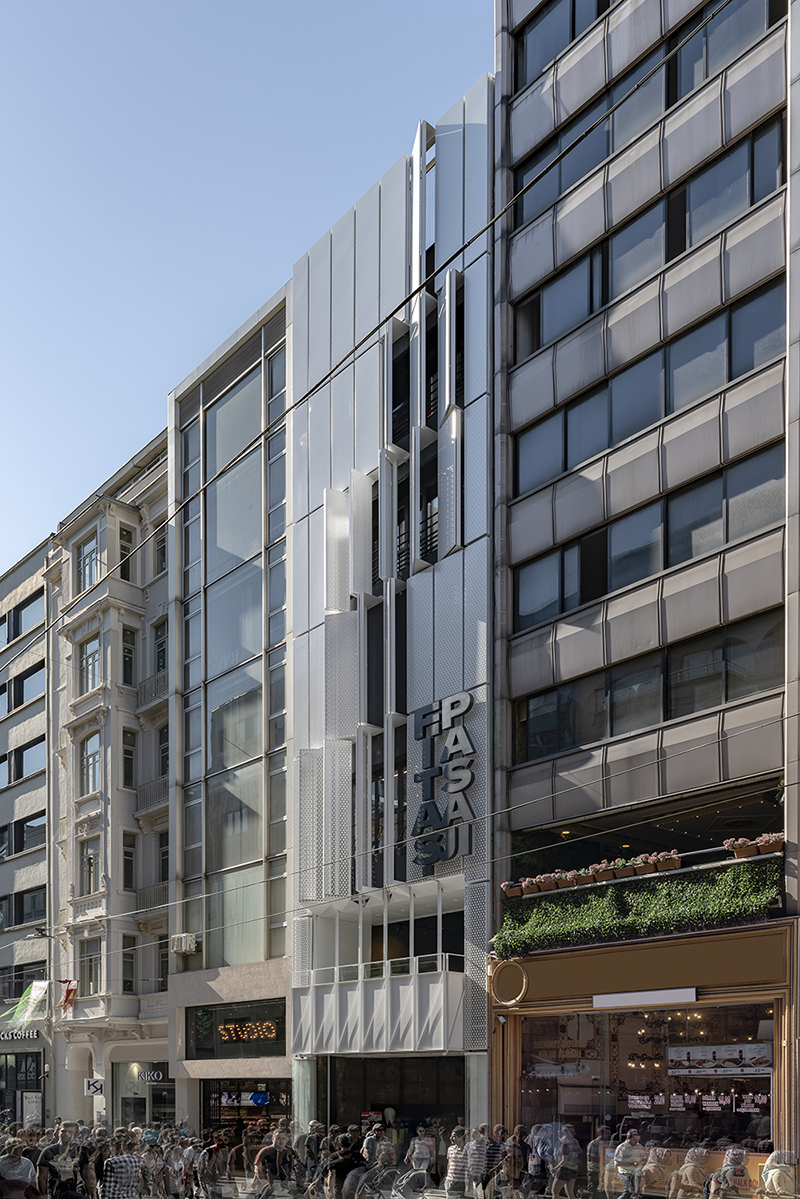
Fitaş Passage
Ecotone Innovation Center
Quartz Plaza
Parkopera
New Nature – Reflect Store
Related Publications
NYC Skyline