
10 Museums Opening in 2027
23 / 10 / 2026Across 2026 and 2027, a number of museum projects are approaching completion or preparing to open in different parts of the world. Spanning Asia, Europe, and North America, these developments range from new cultural institutions and contemporary art museums to major extensions and the transformation of historic museum buildings. Together, they reflect the evolving role of museums within contemporary cities and cultural landscapes.
Many of these projects extend beyond the traditional function of exhibiting collections, bringing together spaces for research, education, public engagement, and cultural exchange. Their architectural approaches also respond to different contexts, from the integration of new structures into historic settings and natural landscapes to the creation of new public spaces and cultural destinations.
Read on to discover ten museum projects to follow in 2027, including the Istanbul City Museum by Salon Alper Derinboğaz.
Istanbul City Museum Set to Open in January 2027 !
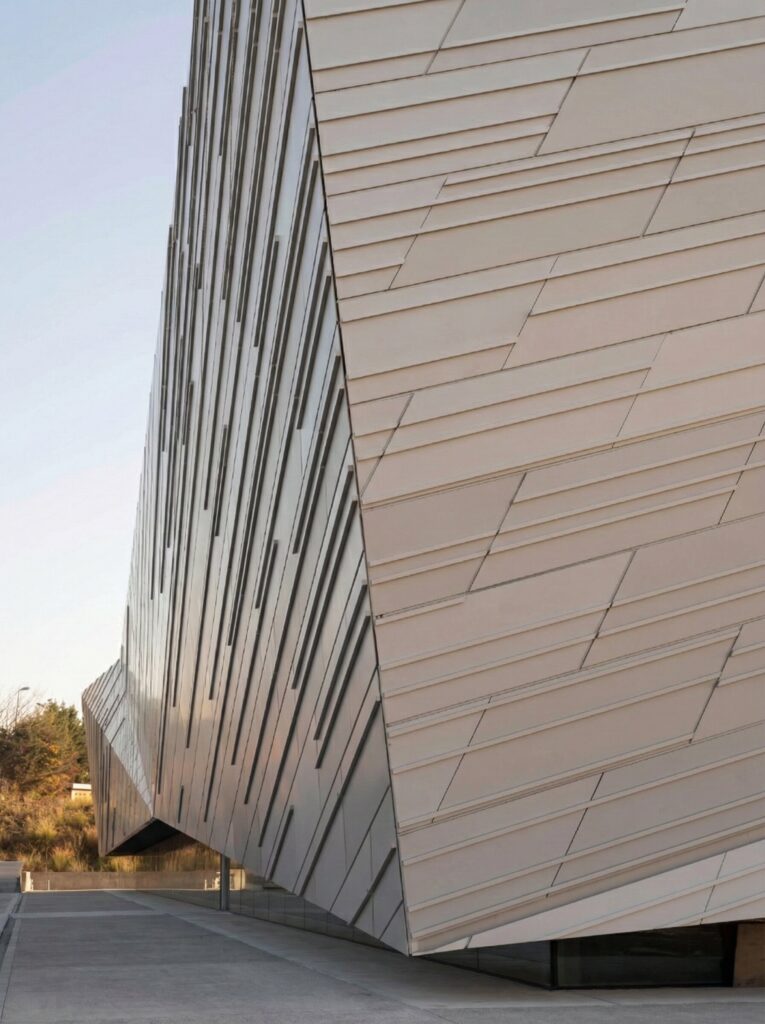
After ten years of construction, the long-awaited Istanbul City Museum is set to open its doors in January 2027! Designed to celebrate and preserve Istanbul’s rich cultural heritage and collective memory, the museum is poised to become a new landmark for the city. We are excited to see this ambitious cultural project finally coming to life, marking a significant milestone and a new chapter in Istanbul’s architectural and cultural landscape.

Beyond Istanbul City Museum, 2027 is set to bring a series of significant museum openings and transformations across Türkiye and around the world. From new cultural institutions and contemporary architectural landmarks to major restoration and expansion projects, these developments reflect the evolving role of museums in preserving heritage, shaping collective memory and creating new cultural experiences.
Róng Museum of Art
Shenzhen, China | Büro Ole Scheeren
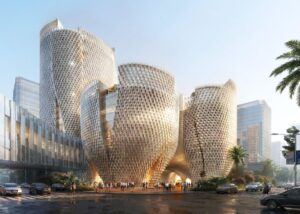
Scheduled to open in 2027, the Róng Museum of Art is designed as a new cultural institution dedicated to the visual culture of the 20th and 21st centuries. Located in Shenzhen’s Nanshan District, the museum will explore art, design, architecture, and film within a broader urban development conceived by Büro Ole Scheeren. The building’s stepped roof creates a distinctive architectural profile, while its galleries and public spaces establish connections between art and the surrounding urban environment. Conceived as part of a mixed-use cultural campus, the museum aims to become an active destination within the city’s rapidly evolving cultural landscape.
The Whale
Andenes, Norway | Dorte Mandrup
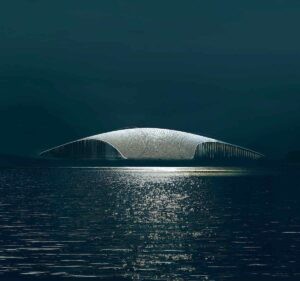
Set along the Arctic coastline of Andenes, The Whale is a new knowledge and experience centre dedicated to whales and the ocean. Designed by Dorte Mandrup, the building emerges from the coastal landscape with a sculptural roof that evokes the form of a whale rising from the sea. Rather than imposing itself on the natural surroundings, the architecture is shaped to become part of the shoreline, framing panoramic views of the ocean. Through exhibitions combining science, art, and immersive storytelling, the centre will explore whale biology, behaviour, and the relationship between humans and marine ecosystems. The Whale is scheduled to open to the public in June 2027.
Natural History Museum of Denmark
Copenhagen, Denmark | Lundgaard & Tranberg Architects and Claus Pryds Architects
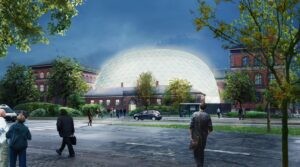
Opening in March 2027, the Natural History Museum of Denmark brings together historic museum buildings and new architectural spaces within Copenhagen’s Botanical Garden. Designed by Lundgaard & Tranberg Architects and Claus Pryds Architects, the project combines renovated heritage structures with contemporary underground galleries. This approach allows the museum to expand its exhibition and research facilities while maintaining the character of its historic setting. Covering subjects ranging from the universe and the Earth to biodiversity, the Arctic, and human life, the new museum aims to offer a comprehensive exploration of the natural world. Its integration with the Botanical Garden also reinforces the relationship between architecture, landscape, and scientific discovery.
Nature & Culture Museum of Wisconsin
Milwaukee, United States | Ennead Architects
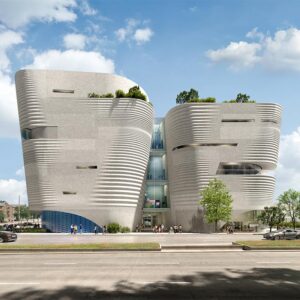
The Nature & Culture Museum of Wisconsin is a new institution designed to explore the relationship between the natural environment and human culture. Located in downtown Milwaukee, the building draws inspiration from the region’s geological formations and the landscapes shaped by the movement of water. Designed by Ennead Architects in collaboration with Kahler Slater, its architecture brings together exhibition spaces, research facilities, gardens, and public areas. A central museum commons creates an inviting gathering space, while the rooftop terrace extends the visitor experience outdoors with an interpretive garden and views across the city. Scheduled to open in 2027, the museum will present Wisconsin’s natural and cultural heritage through its extensive collections.
Williams College Museum of Art
Williamstown, United States | SO–IL
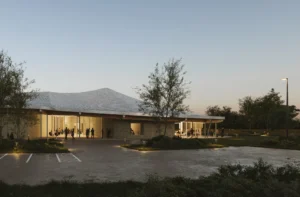
Designed by SO–IL, the new Williams College Museum of Art is conceived as an open and accessible cultural space for both the college community and the wider public. The project will provide expanded gallery areas, classrooms, spaces for studying collections, and facilities for educational activities. Its design places particular emphasis on the relationship between art, learning, and everyday campus life, creating opportunities for visitors and students to engage with the museum beyond conventional exhibition settings. The new building is expected to open during the 2027–28 academic year, marking a new chapter for the institution and its collection of more than 15,000 works.
National Museum of Finland – Extension
Helsinki, Finland | JKMM Architects
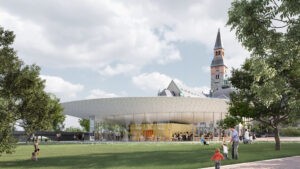
The National Museum of Finland’s renewal combines the restoration of its historic main building with a contemporary extension designed by JKMM Architects. Scheduled to reopen in spring 2027, the project introduces nearly 6,000 square metres of additional space for exhibitions, events, and visitor services. Most of the new extension is located underground, allowing the project to preserve the character of the historic setting. Above ground, a sculptural pavilion marks the new entrance, distinguished by its large, saucer-shaped roof and curved glass façade. The extension brings together contemporary architectural expression and advanced technical solutions while creating a new setting for the presentation of Finnish history and culture.
Bayeux Tapestry Museum
Bayeux, France | RSHP
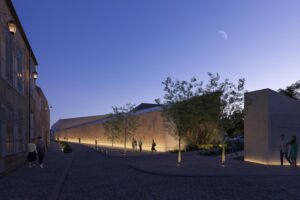
The redevelopment of the Bayeux Tapestry Museum will provide a renewed setting for one of Europe’s most significant historical artefacts. The project aims to improve the presentation and conservation of the Bayeux Tapestry, the embroidered narrative depicting the events surrounding the Norman Conquest of England in 1066. Through a renewed visitor experience and updated exhibition spaces, the museum will offer new ways of engaging with the tapestry’s historical, artistic, and cultural significance. The redevelopment is also intended to strengthen conservation conditions and make the museum more accessible to visitors. The renewed museum is planned to open in October 2027, coinciding with the millennium of the birth of William the Conqueror.
New Aviation Museum
Vantaa, Finland | PES-Architects
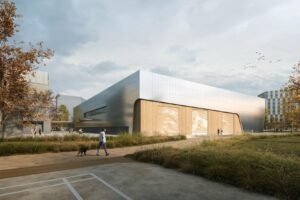
Designed by PES-Architects, the New Aviation Museum is conceived as a contemporary cultural destination dedicated to the history and future of aviation. Located in the Aviapolis district of Vantaa, the approximately 7,000-square-metre building will bring together exhibition galleries, event spaces, a café, a museum shop, and interactive facilities. Its architectural expression draws inspiration from the movement of aircraft, translating the dynamics of flight into the building’s form and façade. Aluminium, glass, and timber surfaces contribute to a distinctive material palette, while the spacious, living-room-like lobby forms the social heart of the museum. Built next to the existing Finnish Aviation Museum, the new building is scheduled to open in December 2027.
Museum of the Viking Age
Oslo, Norway | AART architects
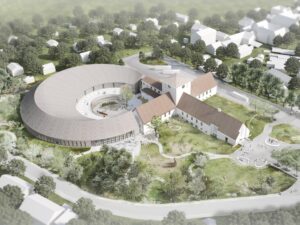
Designed by AART architects, the Museum of the Viking Age is an expansion and redevelopment of the historic Viking Ship Museum in Oslo. The approximately 13,000-square-metre project introduces a circular extension that surrounds the original cross-shaped building, designed by Arnstein Arneberg and opened in 1926. Clad in locally sourced Norwegian slate, the new structure creates a contemporary architectural identity while establishing a dialogue with the historic museum. A glazed connecting structure brings the two buildings together, creating a unified museum complex with expanded exhibition galleries, research and conservation facilities, and public spaces. The design will allow visitors to experience the Viking ships and artefacts from new perspectives, while providing improved environmental conditions for their long-term preservation. The museum is working towards reopening in late 2027.
Related Projects
Museum of Istanbul